


- Afhalen na 1 uur in een winkel met voorraad
- Gratis thuislevering in België vanaf € 30
- Ruim aanbod met 7 miljoen producten
- Afhalen na 1 uur in een winkel met voorraad
- Gratis thuislevering in België vanaf € 30
- Ruim aanbod met 7 miljoen producten





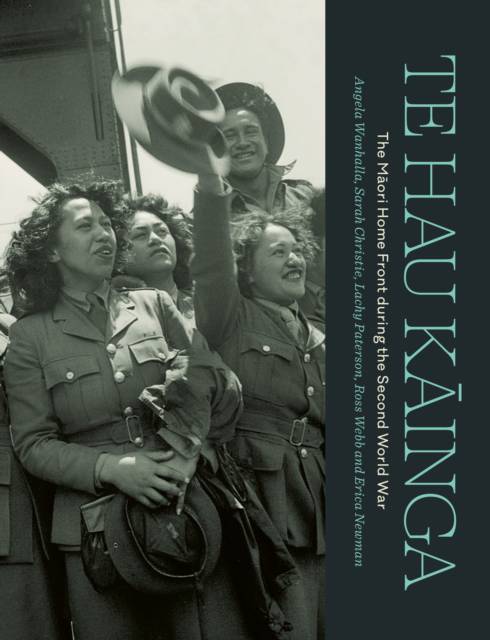
Te Hau Kainga
The Maori Home Front During the Second World War
Lachy Paterson, Sarah Christie, Angela Wanhalla, Erica Newman, Ross Webb
Hardcover | Engels
€ 86,45
+ 172 punten
Omschrijving
Taking readers to the farms and factories, the marae and churches where Maori lived, worked and raised their families, Te Hau Kainga tells the story of the profound transformation in Maori life during the Second World War. While the Maori Battalion fought overseas, the Maori War Effort Organisation and its tribal committees engaged Maori men and women throughout Aotearoa in the home guard, the women's auxiliary forces, and national agricultural and industrial production. Maori mobilisation was an exercise of rangatiratanga and it changed how Maori engaged with the state. And, as Maori men and women took up new roles, the war was to become a watershed event for Maori society that set the stage for post-war urbanisation. From ammunition factories to kumara fields, from Te Puea Herangi to Te Paipera Tapu, Te Hau Kainga provides the first substantial account of how hapori Maori were shaped by the wartime experience at home. It is a story of sacrifice and remarkable resilience among whanau, hapu and iwi Maori.
Specificaties
Betrokkenen
- Auteur(s):
- Uitgeverij:
Inhoud
- Aantal bladzijden:
- 296
- Taal:
- Engels
Eigenschappen
- Productcode (EAN):
- 9781869409999
- Verschijningsdatum:
- 7/04/2025
- Uitvoering:
- Hardcover
- Formaat:
- Genaaid
- Afmetingen:
- 188 mm x 252 mm
- Gewicht:
- 1038 g


Alleen bij Standaard Boekhandel
+ 172 punten op je klantenkaart van Standaard Boekhandel
Cadeau

AANGERADEN


Beoordelingen
We publiceren alleen reviews die voldoen aan de voorwaarden voor reviews. Bekijk onze voorwaarden voor reviews.