


- Afhalen na 1 uur in een winkel met voorraad
- Gratis thuislevering in België vanaf € 30
- Ruim aanbod met 7 miljoen producten
- Afhalen na 1 uur in een winkel met voorraad
- Gratis thuislevering in België vanaf € 30
- Ruim aanbod met 7 miljoen producten





€ 98,45
+ 196 punten
Omschrijving
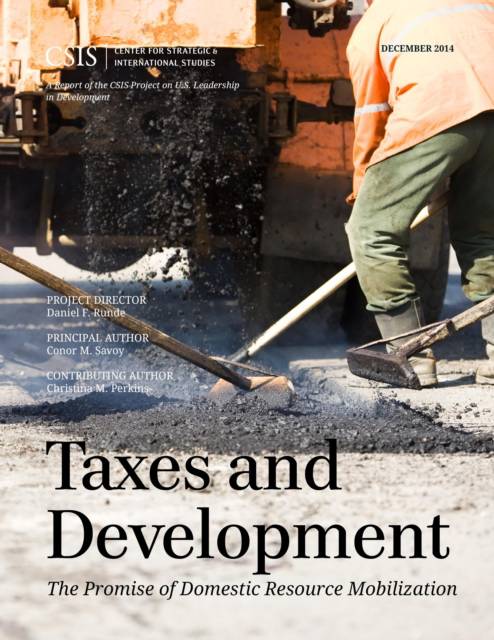
There is real promise for developing economies in the mobilization of their own domestic resources. For example, in 2010, tax revenue on the Africa continent was eight times larger than the foreign assistance received. And as aid levels from wealthy nations continue to be uncertain, countries have an impetus to finance their own development in order to deliver responsible, transparent public services--all of which require a strong tax base from the formal sector. The Global Partnership for Effective Development Co-operation, launched in 2011 at Busan, relies heavily on this principle of domestic resource mobilization as a means of country ownership. How we leverage the expertise of donor governments in partnership with local governments in implementing this agenda is key to its success.
Specificaties
Betrokkenen
- Auteur(s):
- Uitgeverij:
Inhoud
- Aantal bladzijden:
- 62
- Taal:
- Engels
- Reeks:
Eigenschappen
- Productcode (EAN):
- 9781442240476
- Verschijningsdatum:
- 11/12/2014
- Uitvoering:
- Paperback
- Formaat:
- Trade paperback (VS)
- Afmetingen:
- 225 mm x 277 mm
- Gewicht:
- 204 g


Alleen bij Standaard Boekhandel
+ 196 punten op je klantenkaart van Standaard Boekhandel
AANGERADEN


Beoordelingen
We publiceren alleen reviews die voldoen aan de voorwaarden voor reviews. Bekijk onze voorwaarden voor reviews.