


- Afhalen na 1 uur in een winkel met voorraad
- Gratis thuislevering in België vanaf € 30
- Ruim aanbod met 7 miljoen producten
- Afhalen na 1 uur in een winkel met voorraad
- Gratis thuislevering in België vanaf € 30
- Ruim aanbod met 7 miljoen producten





€ 36,45
+ 72 punten
Uitvoering
Omschrijving
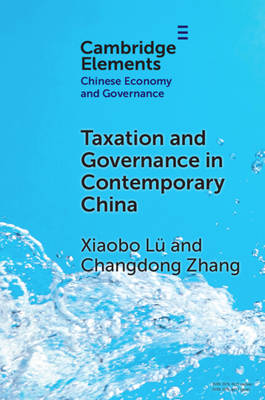
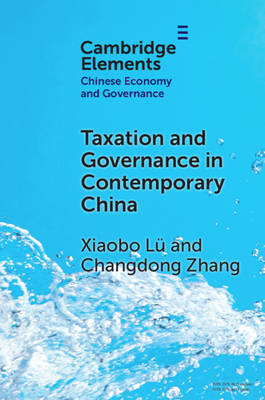
In contrast to the drastic shifts in China's political landscape and society since 2012, taxation may appear as a comparatively mundane topic receiving limited attention. However, the relative stability in China's taxation system underscores its delicate role in maintaining a balance in state-society relations. The Element embarks on an exploration of China's intricate taxation system in the contemporary era, illuminating its origins and the profound reverberations on state-society relations. It shows that China's reliance on indirect taxation stems from the legacies of transitioning from a planned economy to a market-driven one as well as elaborate fiscal bargaining between the central and local governments. This strategy inadvertently heightens Chinese citizens' sensitivity to direct taxation and engenders the tragedy of the commons, leading to rising government debts and collusion by local governments and businesses that results in land expropriation, labor disputes, and environmental degradation.
Specificaties
Betrokkenen
- Auteur(s):
- Uitgeverij:
Inhoud
- Aantal bladzijden:
- 104
- Taal:
- Engels
- Reeks:
Eigenschappen
- Productcode (EAN):
- 9781009509695
- Verschijningsdatum:
- 5/02/2026
- Uitvoering:
- Paperback
- Formaat:
- Trade paperback (VS)
- Afmetingen:
- 152 mm x 229 mm
- Gewicht:
- 149 g


Alleen bij Standaard Boekhandel
+ 72 punten op je klantenkaart van Standaard Boekhandel
Cadeau

AANGERADEN


Beoordelingen
We publiceren alleen reviews die voldoen aan de voorwaarden voor reviews. Bekijk onze voorwaarden voor reviews.