


- Afhalen na 1 uur in een winkel met voorraad
- Gratis thuislevering in België vanaf € 30
- Ruim aanbod met 7 miljoen producten
- Afhalen na 1 uur in een winkel met voorraad
- Gratis thuislevering in België vanaf € 30
- Ruim aanbod met 7 miljoen producten





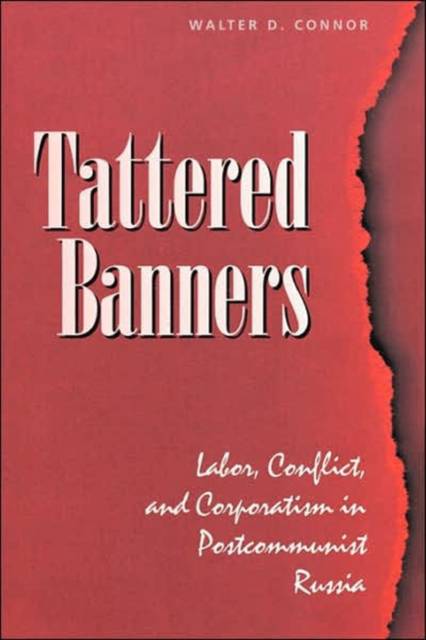
Tattered Banners
Labor, Conflict, And Corporatism In Postcommunist Russia
Walter Connor
Paperback | Engels
€ 85,45
+ 170 punten
Uitvoering
Omschrijving
This book examines Russia's emergent labor politics in the critical first years of the post-Soviet period, focusing on the problems Yeltsin encountered in attempting to adopt a "corporatist" solution to the conflicts of interest that have arisen between labor, employers, and the state.
Specificaties
Betrokkenen
- Auteur(s):
- Uitgeverij:
Inhoud
- Aantal bladzijden:
- 252
- Taal:
- Engels
Eigenschappen
- Productcode (EAN):
- 9780813329123
- Verschijningsdatum:
- 17/05/1996
- Uitvoering:
- Paperback
- Formaat:
- Trade paperback (VS)
- Afmetingen:
- 153 mm x 229 mm
- Gewicht:
- 426 g


Alleen bij Standaard Boekhandel
+ 170 punten op je klantenkaart van Standaard Boekhandel
Cadeau

AANGERADEN


Beoordelingen
We publiceren alleen reviews die voldoen aan de voorwaarden voor reviews. Bekijk onze voorwaarden voor reviews.