


- Afhalen na 1 uur in een winkel met voorraad
- Gratis thuislevering in België vanaf € 30
- Ruim aanbod met 7 miljoen producten
- Afhalen na 1 uur in een winkel met voorraad
- Gratis thuislevering in België vanaf € 30
- Ruim aanbod met 7 miljoen producten





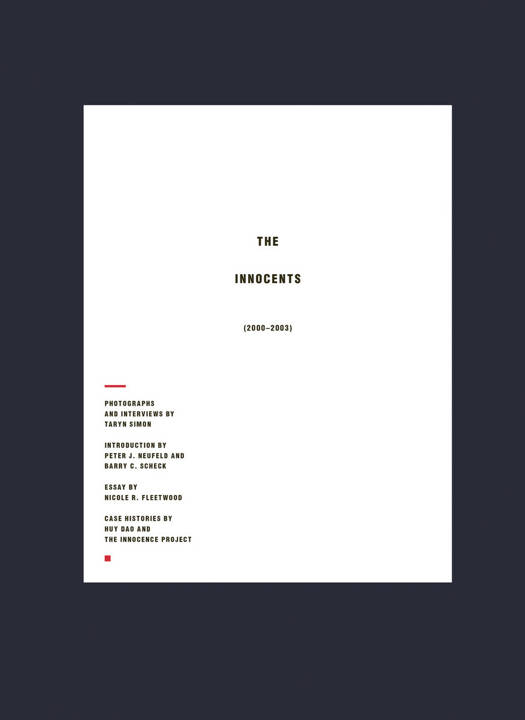
Taryn Simon : The Innocents
The Innocents
Nicola Fleetwood, Peter Neufeld, Tyra Patterson, Taryn Simon
Hardcover | Engels
€ 76,95
+ 153 punten
Omschrijving
Taryn Simon’s earliest body of work, The Innocents (2002), documents the stories of individuals who served time in prison for violent crimes they did not commit. The series centres on the question of photography as credible witness and arbiter of justice, since the primary cause of wrongful conviction is mistaken identification. Suspected perpetrators are identified through photographs and lineups, a procedure that relies on the assumption of precise visual memory. But through exposure to composite sketches, mug shots, Polaroids, and lineups, eyewitness memory can change. In these cases, photography offered the criminal justice system a tool that transformed innocent citizens into criminals. Simon photographed these men at sites that had particular significance to their illegitimate conviction: the scene of misidentification, the scene of arrest, the scene of the crime, or the scene of the alibi. The Innocents was first exhibited at MoMA PS1 in 2003. The 2020 edition of the book includes previously unpublished images, a new essay by Innocence Project co-founders Peter Neufeld and Barry C. Scheck, and an interview by professor and curator Nicole R. Fleetwood with criminal justice reform activist Tyra Patterson.
Specificaties
Betrokkenen
- Auteur(s):
- Uitgeverij:
Inhoud
- Aantal bladzijden:
- 368
- Taal:
- Engels
Eigenschappen
- Productcode (EAN):
- 9783775746281
- Verschijningsdatum:
- 30/11/2021
- Uitvoering:
- Hardcover
- Afmetingen:
- 165 mm x 242 mm
- Gewicht:
- 3258 g


Alleen bij Standaard Boekhandel
+ 153 punten op je klantenkaart van Standaard Boekhandel
Cadeau

AANGERADEN


Beoordelingen
We publiceren alleen reviews die voldoen aan de voorwaarden voor reviews. Bekijk onze voorwaarden voor reviews.