


- Afhalen na 1 uur in een winkel met voorraad
- Gratis thuislevering in België vanaf € 30
- Ruim aanbod met 7 miljoen producten
- Afhalen na 1 uur in een winkel met voorraad
- Gratis thuislevering in België vanaf € 30
- Ruim aanbod met 7 miljoen producten




Omschrijving
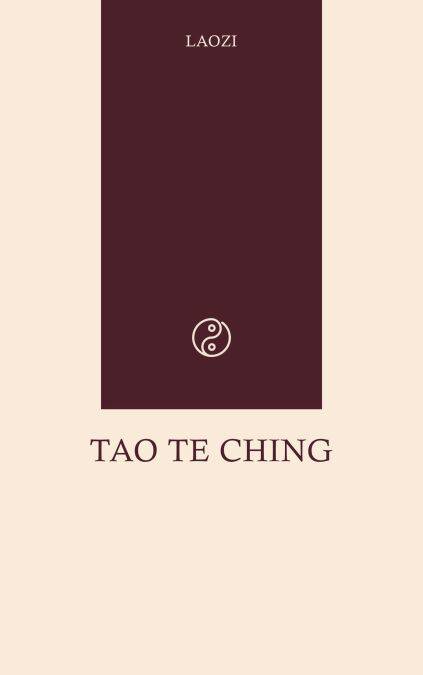
Tao Te Ching by Laozi is one of the most profound and influential works of philosophy ever written. Composed more than two thousand years ago in ancient China, this timeless text forms the foundation of Taoist thought and continues to inspire readers with its wisdom on harmony, balance, leadership, and the nature of existence.
Written in a series of brief yet powerful verses, the Tao Te Ching explores the concept of the Tao, often translated as "the Way." The Tao represents the fundamental principle underlying the universe—the natural order that flows through all things. Rather than striving to control life, Laozi encourages readers to observe, understand, and align themselves with this universal rhythm.
Through poetic reflections and paradoxical insights, the text teaches the value of humility, simplicity, and inner stillness. Laozi challenges the pursuit of excessive power, wealth, and ambition, suggesting that true strength arises from gentleness, patience, and balance. In this philosophy, softness overcomes hardness, quietness overcomes force, and wisdom emerges from embracing the natural course of life.
The book also offers profound guidance on leadership and governance. Laozi proposes that the best leaders rule with restraint and humility, allowing people to live in harmony without unnecessary interference. By practicing wu wei, often understood as "effortless action" or acting without force, individuals and societies can achieve peace and stability.
Despite its brevity, the Tao Te Ching is rich with meaning and open to many interpretations. Its verses invite contemplation rather than rigid explanation, encouraging readers to reflect on their relationship with the world and their place within it.
For centuries, the teachings of Laozi have shaped philosophy, spirituality, and culture throughout East Asia and beyond. Today, the Tao Te Ching continues to resonate with readers seeking wisdom on living with clarity, compassion, and harmony.
Elegant, mysterious, and deeply insightful, Tao Te Ching remains a timeless guide to understanding the subtle forces that shape life and the quiet path toward inner peace.
Written in a series of brief yet powerful verses, the Tao Te Ching explores the concept of the Tao, often translated as "the Way." The Tao represents the fundamental principle underlying the universe—the natural order that flows through all things. Rather than striving to control life, Laozi encourages readers to observe, understand, and align themselves with this universal rhythm.
Through poetic reflections and paradoxical insights, the text teaches the value of humility, simplicity, and inner stillness. Laozi challenges the pursuit of excessive power, wealth, and ambition, suggesting that true strength arises from gentleness, patience, and balance. In this philosophy, softness overcomes hardness, quietness overcomes force, and wisdom emerges from embracing the natural course of life.
The book also offers profound guidance on leadership and governance. Laozi proposes that the best leaders rule with restraint and humility, allowing people to live in harmony without unnecessary interference. By practicing wu wei, often understood as "effortless action" or acting without force, individuals and societies can achieve peace and stability.
Despite its brevity, the Tao Te Ching is rich with meaning and open to many interpretations. Its verses invite contemplation rather than rigid explanation, encouraging readers to reflect on their relationship with the world and their place within it.
For centuries, the teachings of Laozi have shaped philosophy, spirituality, and culture throughout East Asia and beyond. Today, the Tao Te Ching continues to resonate with readers seeking wisdom on living with clarity, compassion, and harmony.
Elegant, mysterious, and deeply insightful, Tao Te Ching remains a timeless guide to understanding the subtle forces that shape life and the quiet path toward inner peace.


Alleen bij Standaard Boekhandel
AANGERADEN


Beoordelingen
We publiceren alleen reviews die voldoen aan de voorwaarden voor reviews. Bekijk onze voorwaarden voor reviews.