


- Afhalen na 1 uur in een winkel met voorraad
- Gratis thuislevering in België vanaf € 30
- Ruim aanbod met 7 miljoen producten
- Afhalen na 1 uur in een winkel met voorraad
- Gratis thuislevering in België vanaf € 30
- Ruim aanbod met 7 miljoen producten





€ 26,95
+ 53 punten
Omschrijving
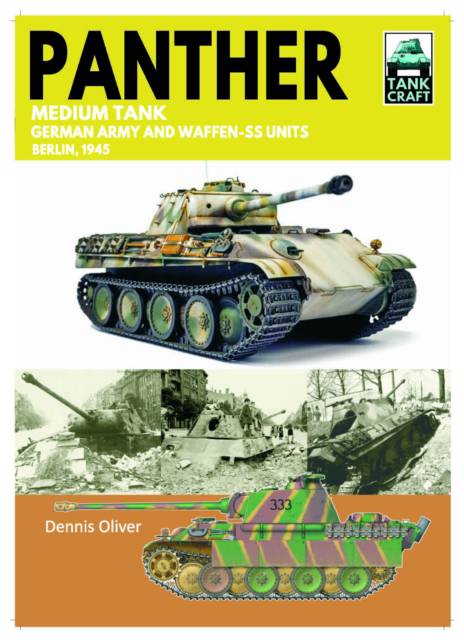
By the end of 1944 the Wehrmacht had been pushed back to the borders of Germany and the Army's defensive efforts increasingly relied on ad-hoc units scraped together from depleted tank and infantry formations. Despite the dire strategic situation and the ever-crumbling front, industrial output had in fact been expanded and manpower losses were somehow made good. Battered regiments were rebuilt and new units were created and the real striking power of the Panzer battalions was now the Pzkpfw V Panther, perhaps the most effective armoured vehicle produced by Germany during the Second World War. In Dennis Oliver's latest volume in the TankCraft series he uses archive photos and extensively researched colour illustrations to examine the later models of the Pzkpfw V Panther tank and the units that operated this deservedly famous armoured vehicle during the savage defensive battles against the Soviet army during the last weeks of the war. A key section of his book displays available model kits and aftermarket products, complemented by a gallery of beautifully constructed and painted models in various scales. Technical details as well as modifications introduced during production and in the field are also examined, providing everything the modeller needs to recreate an accurate representation of these historic tanks.
Specificaties
Betrokkenen
- Auteur(s):
- Uitgeverij:
Inhoud
- Aantal bladzijden:
- 64
- Taal:
- Engels
- Reeks:
Eigenschappen
- Productcode (EAN):
- 9781036140700
- Verschijningsdatum:
- 30/10/2026
- Uitvoering:
- Paperback
- Formaat:
- Trade paperback (VS)
- Afmetingen:
- 210 mm x 298 mm



Alleen bij Standaard Boekhandel
+ 53 punten op je klantenkaart van Standaard Boekhandel
Cadeau

AANGERADEN


Beoordelingen
We publiceren alleen reviews die voldoen aan de voorwaarden voor reviews. Bekijk onze voorwaarden voor reviews.