


- Afhalen na 1 uur in een winkel met voorraad
- Gratis thuislevering in België vanaf € 30
- Ruim aanbod met 7 miljoen producten
- Afhalen na 1 uur in een winkel met voorraad
- Gratis thuislevering in België vanaf € 30
- Ruim aanbod met 7 miljoen producten





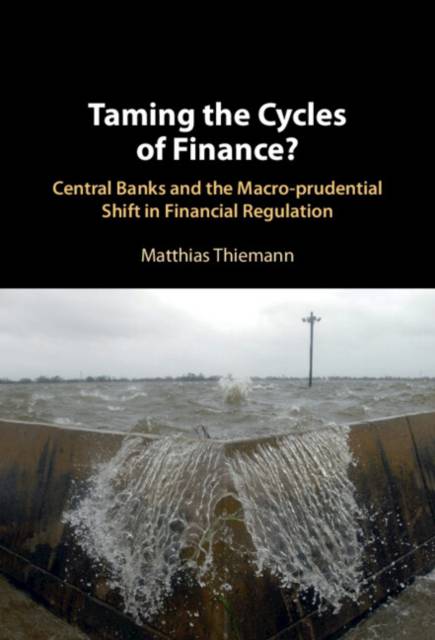
Taming the Cycles of Finance?
Central Banks and the Macro-Prudential Shift in Financial Regulation
Matthias Thiemann
Hardcover | Engels
€ 188,95
+ 377 punten
Omschrijving
Macroprudential regulation is a set of economic and policy tools that aim to mitigate risk in the financial and banking systems. It was largely developed in response to the financial crisis of 2007-08, turning central banks into de facto financial policemen. Taming the Cycles of Finance traces the post-crisis rise of macroprudential regulation and argues that, despite its original aims, it typically supports finance in times of crisis but fails to curb it in times of booms. Investigating how different macroprudential frameworks developed in the UK, the USA and the Eurozone, the book explains how central bank economists went about building early warning systems to identify fragilities in the financial system. It then shows how administrative and political constraints limited the effects of this shift, as central banks were wary of intervening in a discretionary manner and policymakers were opposed to measures to limit credit growth.
Specificaties
Betrokkenen
- Auteur(s):
- Uitgeverij:
Inhoud
- Aantal bladzijden:
- 352
- Taal:
- Engels
Eigenschappen
- Productcode (EAN):
- 9781009233132
- Verschijningsdatum:
- 22/02/2024
- Uitvoering:
- Hardcover
- Formaat:
- Genaaid
- Afmetingen:
- 152 mm x 229 mm
- Gewicht:
- 639 g



Alleen bij Standaard Boekhandel
+ 377 punten op je klantenkaart van Standaard Boekhandel
Cadeau

AANGERADEN


Beoordelingen
We publiceren alleen reviews die voldoen aan de voorwaarden voor reviews. Bekijk onze voorwaarden voor reviews.