


- Afhalen na 1 uur in een winkel met voorraad
- Gratis thuislevering in België vanaf € 30
- Ruim aanbod met 7 miljoen producten
- Afhalen na 1 uur in een winkel met voorraad
- Gratis thuislevering in België vanaf € 30
- Ruim aanbod met 7 miljoen producten





€ 157,95
+ 315 punten
Omschrijving
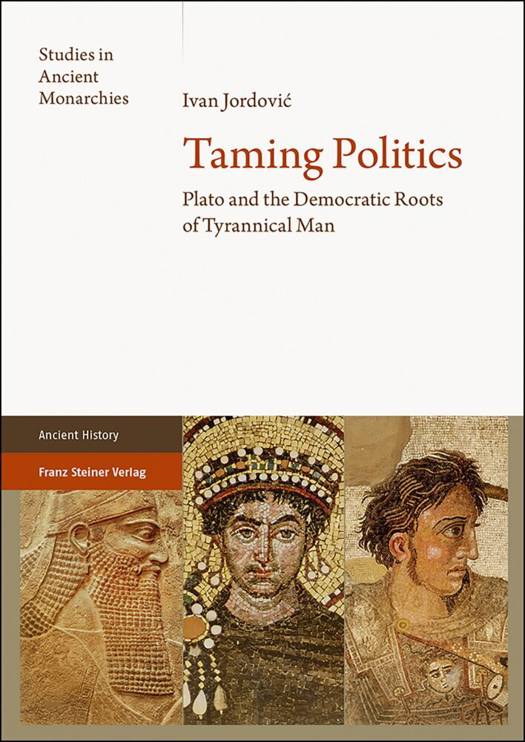
Plato is often reproached for having a distorted view of democracy due to prejudice and an elitist philosophical approach. Such objections are not utterly groundless, but they miss the gist of the matter. One of the main aims of this study is to show that, while conceiving his critique of democracy, Plato has a clear perception of its development and elements. A further objective is to demonstrate how he draws on democratic ideology to advance his own political theory. Accordingly, this book will expose numerous intertextual connections of Plato with other authors of this epoch. The first and greater part of this study reveals how in the "Gorgias" Plato gives a detailed account on the process of democratic man's transformation into tyrannical man. The second part examines the parallels between this dialogue and the "Republic". Thus, Plato's intimate knowledge of democratic ideology shows that his criticism of phenomena such as absolute freedom, demagoguery (populism), glorification of power, traditional politics etc. remains relevant.
Specificaties
Betrokkenen
- Auteur(s):
- Uitgeverij:
Inhoud
- Aantal bladzijden:
- 236
- Taal:
- Engels
- Reeks:
- Reeksnummer:
- nr. 5
Eigenschappen
- Productcode (EAN):
- 9783515124577
- Verschijningsdatum:
- 29/07/2019
- Uitvoering:
- Hardcover
- Formaat:
- Genaaid
- Afmetingen:
- 170 mm x 239 mm
- Gewicht:
- 543 g


Alleen bij Standaard Boekhandel
+ 315 punten op je klantenkaart van Standaard Boekhandel
Wedstrijd


Beoordelingen
We publiceren alleen reviews die voldoen aan de voorwaarden voor reviews. Bekijk onze voorwaarden voor reviews.