



Bedankt voor het vertrouwen het afgelopen jaar! Om jou te bedanken bieden we GRATIS verzending (in België) aan op alles gedurende de hele maand januari.
- Afhalen na 1 uur in een winkel met voorraad
- In januari gratis thuislevering in België
- Ruim aanbod met 7 miljoen producten
Bedankt voor het vertrouwen het afgelopen jaar! Om jou te bedanken bieden we GRATIS verzending (in België) aan op alles gedurende de hele maand januari.
- Afhalen na 1 uur in een winkel met voorraad
- In januari gratis thuislevering in België
- Ruim aanbod met 7 miljoen producten





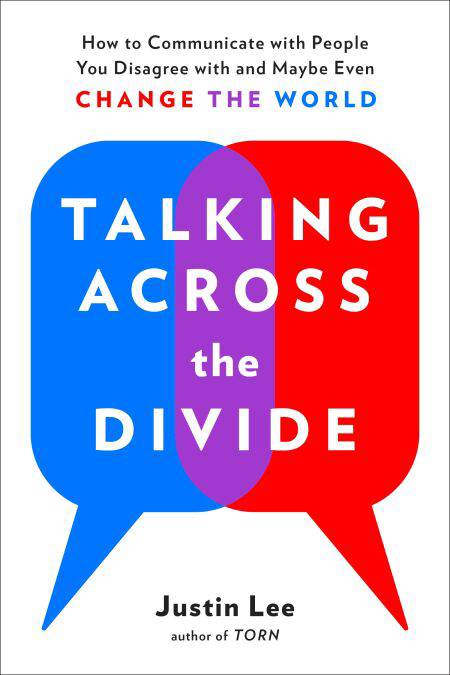
Talking Across the Divide E-BOOK
How to Communicate with People You Disagree with and Maybe Even Change the World
Justin Lee
E-book | Engels
€ 8,09
+ 8 punten
Uitvoering
Omschrijving
A guide to learning how to communicate with people who have diametrically opposed opinions from you, how to empathize with them, and how to (possibly) change their minds
America is more polarized than ever. Whether the issue is Donald Trump, healthcare, abortion, gun control, breastfeeding, or even DC vs Marvel, it feels like you can't voice an opinion without ruffling someone's feathers. In today's digital age, it's easier than ever to build walls around yourself. You fill up your Twitter feed with voices that are angry about the same issues and believe as you believe. Before long, you're isolated in your own personalized echo chamber. And if you ever encounter someone outside of your bubble, you don't understand how the arguments that resonate so well with your peers can't get through to anyone else. In a time when every conversation quickly becomes a battlefield, it's up to us to learn how to talk to each other again.
In Talking Across the Divide, social justice activist Justin Lee explains how to break through the five key barriers that make people resist differing opinions. With a combination of psychological research, pop-culture references, and anecdotes from Justin's many years of experience mediating contentious conversations, this book will help you understand people on the other side of the argument and give you the tools you need to change their minds--even if they've fallen for "fake news."
America is more polarized than ever. Whether the issue is Donald Trump, healthcare, abortion, gun control, breastfeeding, or even DC vs Marvel, it feels like you can't voice an opinion without ruffling someone's feathers. In today's digital age, it's easier than ever to build walls around yourself. You fill up your Twitter feed with voices that are angry about the same issues and believe as you believe. Before long, you're isolated in your own personalized echo chamber. And if you ever encounter someone outside of your bubble, you don't understand how the arguments that resonate so well with your peers can't get through to anyone else. In a time when every conversation quickly becomes a battlefield, it's up to us to learn how to talk to each other again.
In Talking Across the Divide, social justice activist Justin Lee explains how to break through the five key barriers that make people resist differing opinions. With a combination of psychological research, pop-culture references, and anecdotes from Justin's many years of experience mediating contentious conversations, this book will help you understand people on the other side of the argument and give you the tools you need to change their minds--even if they've fallen for "fake news."
Specificaties
Betrokkenen
- Auteur(s):
- Uitgeverij:
Inhoud
- Aantal bladzijden:
- 272
- Taal:
- Engels
Eigenschappen
- Productcode (EAN):
- 9780525504634
- Verschijningsdatum:
- 13/08/2018
- Uitvoering:
- E-book
- Beveiligd met:
- Adobe DRM
- Formaat:
- ePub


Alleen bij Standaard Boekhandel
+ 8 punten op je klantenkaart van Standaard Boekhandel
SOLDEN


Beoordelingen
We publiceren alleen reviews die voldoen aan de voorwaarden voor reviews. Bekijk onze voorwaarden voor reviews.