


- Afhalen na 1 uur in een winkel met voorraad
- Gratis thuislevering in België vanaf € 30
- Ruim aanbod met 7 miljoen producten
- Afhalen na 1 uur in een winkel met voorraad
- Gratis thuislevering in België vanaf € 30
- Ruim aanbod met 7 miljoen producten





€ 220,45
+ 440 punten
Uitvoering
Omschrijving
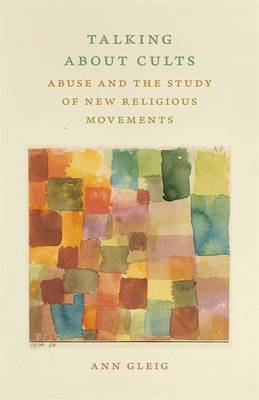
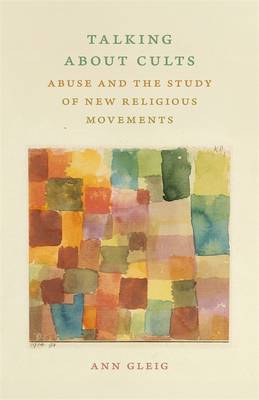
Talking About Cults explores a series of questions: Why have scholars of minority religion rejected the term cult and the wider field of cultic studies? How have they responded to allegations of abuse in minority religion? Why do so many survivors of abuse find cult discourse helpful? What new directions are emerging and should be encouraged in the study of abuse in NRMs that are more attuned to survivors' experience?
The academic subfield of new religious movements (NRMs) developed in reaction to cultic studies and the two fields became polarized in the "Cult Wars," a charged intellectual and legal battle that has raged on since the 1970s. In this context, a disciplinary consensus formed in the study of NRMs that minimized allegations of abuse within NRMs and discredited the reliability of ex-members who made them. While feminist scholars of religion attempted to draw attention to gendered forms of abuse in these groups, they were largely ignored in consensus NRM scholarship. Inspired by a feminist survivor-centered approach, Ann Gleig argues that rather than automatically rejecting cult discourse, scholars need to ask what its function and value is for survivors of abuse. Through interviews with survivors of abuse in Buddhist contexts, she discovered that they drew on cult discourse selectively and critically to identify, understand, and heal from the dynamics that had caused them harm in their former communities as well as to prevent future abuse in Buddhist communities.Specificaties
Betrokkenen
- Auteur(s):
- Uitgeverij:
Inhoud
- Aantal bladzijden:
- 152
- Taal:
- Engels
- Reeks:
Eigenschappen
- Productcode (EAN):
- 9780820377896
- Verschijningsdatum:
- 1/11/2026
- Uitvoering:
- Hardcover
- Formaat:
- Genaaid
- Afmetingen:
- 140 mm x 216 mm


Alleen bij Standaard Boekhandel
+ 440 punten op je klantenkaart van Standaard Boekhandel
Cadeau

AANGERADEN


Beoordelingen
We publiceren alleen reviews die voldoen aan de voorwaarden voor reviews. Bekijk onze voorwaarden voor reviews.