


- Afhalen na 1 uur in een winkel met voorraad
- Gratis thuislevering in België vanaf € 30
- Ruim aanbod met 7 miljoen producten
- Afhalen na 1 uur in een winkel met voorraad
- Gratis thuislevering in België vanaf € 30
- Ruim aanbod met 7 miljoen producten




€ 0,49
Omschrijving
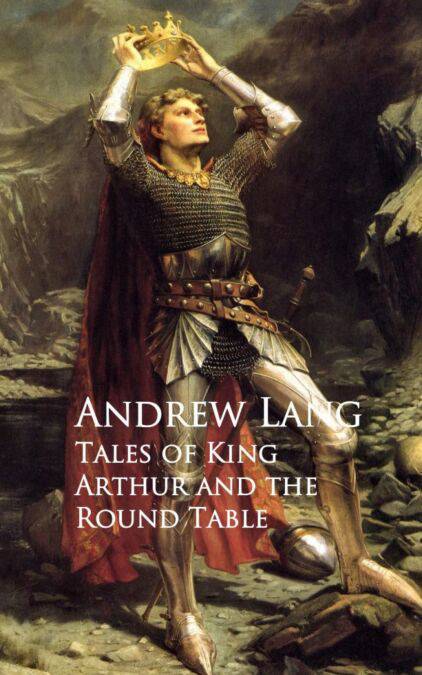
The tales of King Arthur and his Knights are of Celtic origin. The Celts were the people who occupied Britain at the time when the history of the country opens, and a few words are necessary to explain why the characters in the stories act and speak as though they belonged to a later age.
It is believed that King Arthur lived in the sixth century, just after the Romans withdrew from Britain, and when the Britons, left to defend themselves against the attacks of the marauding Saxons, rose and defeated them at Mount Badon, securing to themselves peace for many years. It was probably about this time that King Arthur and his company of Knights performed the deeds which were to become the themes of stories and lays for generations afterwards.
In olden times, it was the custom of minstrels and story-tellers to travel through the land from court to court, telling of tales of chivalry and heroism, and for many centuries the tales of King Arthur formed the stock from which the story-teller drew.
In this way the stories came to be handed down from father to son, in Brittany (whose people are of the same family as the Welsh) as well as in Wales and England, and by this means alone were they prevented from being lost. But in the reigns of Henry II. and Richard I., they were set down on paper, and so became literature. Before this, however, a British writer had written out some of the tales, and from him as well as from the lips of the bards and story-tellers of their own generation, the writers in the time of Henry II. were able to collect their information.
vi
Now, it will be remembered that the second and third crusades were being carried on during the reigns of Henry II. and Richard I., and many English and French Knights were therefore fighting in the fields of Palestine.
The story-teller, whose living depended on the welcome his stories met with, instead of telling them according to tradition, altered them to suit the tastes of his hearers.
It is believed that King Arthur lived in the sixth century, just after the Romans withdrew from Britain, and when the Britons, left to defend themselves against the attacks of the marauding Saxons, rose and defeated them at Mount Badon, securing to themselves peace for many years. It was probably about this time that King Arthur and his company of Knights performed the deeds which were to become the themes of stories and lays for generations afterwards.
In olden times, it was the custom of minstrels and story-tellers to travel through the land from court to court, telling of tales of chivalry and heroism, and for many centuries the tales of King Arthur formed the stock from which the story-teller drew.
In this way the stories came to be handed down from father to son, in Brittany (whose people are of the same family as the Welsh) as well as in Wales and England, and by this means alone were they prevented from being lost. But in the reigns of Henry II. and Richard I., they were set down on paper, and so became literature. Before this, however, a British writer had written out some of the tales, and from him as well as from the lips of the bards and story-tellers of their own generation, the writers in the time of Henry II. were able to collect their information.
vi
Now, it will be remembered that the second and third crusades were being carried on during the reigns of Henry II. and Richard I., and many English and French Knights were therefore fighting in the fields of Palestine.
The story-teller, whose living depended on the welcome his stories met with, instead of telling them according to tradition, altered them to suit the tastes of his hearers.
Specificaties
Betrokkenen
- Auteur(s):
- Uitgeverij:
Inhoud
- Aantal bladzijden:
- 500
- Taal:
- Engels
Eigenschappen
- Productcode (EAN):
- 9783736409972
- Verschijningsdatum:
- 24/08/2016
- Uitvoering:
- E-book
- Beveiligd met:
- Digital watermarking
- Formaat:
- ePub



Alleen bij Standaard Boekhandel
Cadeau

AANGERADEN


Beoordelingen
We publiceren alleen reviews die voldoen aan de voorwaarden voor reviews. Bekijk onze voorwaarden voor reviews.