


- Afhalen na 1 uur in een winkel met voorraad
- Gratis thuislevering in België vanaf € 30
- Ruim aanbod met 7 miljoen producten
- Afhalen na 1 uur in een winkel met voorraad
- Gratis thuislevering in België vanaf € 30
- Ruim aanbod met 7 miljoen producten





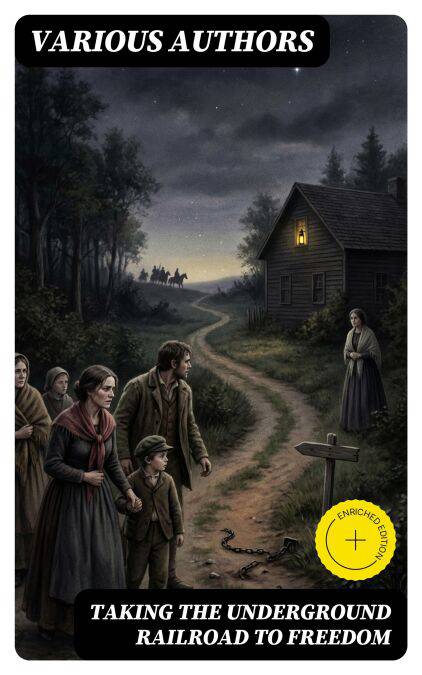
Taking the Underground Railroad to Freedom E-BOOK
True Life Stories of Runaway Slaves and the Two Celebrated Female Conductors of the Underground Railroad
William Still, Laura S. Haviland, Sarah Bradford
E-book | Engels
€ 0,99
Omschrijving
Taking the Underground Railroad to Freedom illuminates the profound narratives of resilience and defiance that powered the clandestine escape network during America's darkest era. This anthology offers a rich tapestry of firsthand accounts and interpretative narratives, weaving together themes of liberation, courage, and the relentless pursuit of justice. The collection is a poignant blend of literary styles, from gripping personal testimonies to insightful observations, each contributing to the larger historical discourse on slavery and emancipation. Noteworthy pieces capture the tension and triumph of those who traversed risky terrains in search of freedom, offering a raw, compelling insight into the era's human spirit. The anthology draws from the compelling voices of distinguished authors William Still, Laura S. Haviland, and Sarah Bradford, whose combined works create a mosaic of powerful narratives. Their diverse backgrounds—from Still's firsthand documentation to Haviland's abolitionist activism and Bradford's biographical storytelling—provide an enriched perspective on the diverse experiences of those involved in the Underground Railroad. Operating within the larger abolitionist movement, these authors transcend mere documentation, contributing to a pivotal cultural and historical narrative. Readers are invited to explore a pivotal era of American history through this anthology, which offers a unique glimpse into the complexities of the Underground Railroad through various lenses. Its educational significance is underscored by the breadth of insight it provides into human resilience. This volume is a must-read for those eager to understand the multifaceted dialogue of liberation and empathy that persists through these historical chronicles, providing an invaluable resource for scholars and enthusiasts alike.
Specificaties
Betrokkenen
- Auteur(s):
- Uitgeverij:
Inhoud
- Aantal bladzijden:
- 1732
- Taal:
- Engels
Eigenschappen
- Productcode (EAN):
- 8596547002215
- Verschijningsdatum:
- 16/05/2022
- Uitvoering:
- E-book
- Beveiligd met:
- Digital watermarking
- Formaat:
- ePub



Alleen bij Standaard Boekhandel
Cadeau

AANGERADEN


Beoordelingen
We publiceren alleen reviews die voldoen aan de voorwaarden voor reviews. Bekijk onze voorwaarden voor reviews.