



Bedankt voor het vertrouwen het afgelopen jaar! Om jou te bedanken bieden we GRATIS verzending (in België) aan op alles gedurende de hele maand januari.
- Afhalen na 1 uur in een winkel met voorraad
- In januari gratis thuislevering in België
- Ruim aanbod met 7 miljoen producten
Bedankt voor het vertrouwen het afgelopen jaar! Om jou te bedanken bieden we GRATIS verzending (in België) aan op alles gedurende de hele maand januari.
- Afhalen na 1 uur in een winkel met voorraad
- In januari gratis thuislevering in België
- Ruim aanbod met 7 miljoen producten





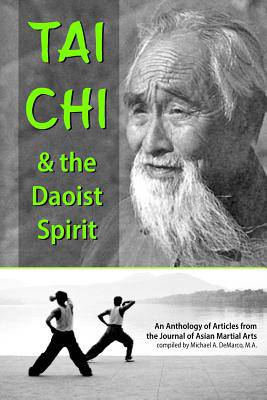
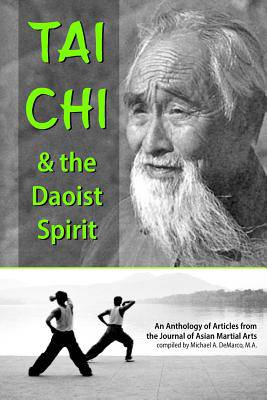
Tai Chi and the Daoist Spirit
Dennis Willmont L Ac, Michael DeMarco M a, Arieh Breslow M a
Paperback | Engels
€ 46,95
+ 93 punten
Omschrijving
The chapters in this anthology present an encompassing perspective of how some Chinese martial art styles-and most significantly taijiquan-developed and evolved along with deep rooted traditions of spirituality and the quest for health and longevity. Much in this volume deals with Daoist theories and practices, particularly its influences ranging from human energetics and other physical exercises, to practical combative arts. Holcombe, Willmont, and Breslow's well-researched chapters dive deeply into the philosophical, spiritual, and physical traditions associated with Daoism. The search for immortality is shown to be of prime importance since it gave impetus to the belief that human beings can live healthier, longer, and happier lives. My own chapter presents a way of directly discovering taijiquan's philosophical principles through experiential involvement in the art itself. Henning's chapter gives an example in this tradition in the life of Ge Hong (284-363 CE). Known for his Daoist alchemical pursuits, Ge was also a military officer who provides valuable insights into Chinese martial arts practices. Dr. Wile explores the ways in which martial arts have been exposed to cultural construction and deconstruction. A Daoist connection has figured in political ideology, national identity, and commercial interest during the past 400 years of Chinese history. The text focuses on taichiquan as an important site of constructing Chinese-ness. From the early 20th century, the Chinese government often looked at Daoism as a form of superstition, and allowed temples to fall into disrepair. In the 21st century, as Hawthorne shows, there is a quest to rescue historic Daoist sites and study the tradition. In the final chapter, Greg Brodsky applies a five-element yoga model to the practice of taijiquan as a "quality assurance test." It offers opportunities for deepening, enriching, and enjoying taiga practice.In all, the chapters here offer insights for understanding how Chinese martial traditions...particularly taijiquan...developed and evolved within the framework of culture. The word taiji takes on different meanings according to time and place. This also resolves the ongoing arguments regarding taijiquan as a practical combat art verses a health regimen. As a proverb points out: "From the standpoint of the sun, day and night have no meaning."
Specificaties
Betrokkenen
- Auteur(s):
- Uitgeverij:
Inhoud
- Aantal bladzijden:
- 178
- Taal:
- Engels
Eigenschappen
- Productcode (EAN):
- 9781893765467
- Verschijningsdatum:
- 11/10/2017
- Uitvoering:
- Paperback
- Formaat:
- Trade paperback (VS)
- Afmetingen:
- 152 mm x 229 mm
- Gewicht:
- 244 g


Alleen bij Standaard Boekhandel
+ 93 punten op je klantenkaart van Standaard Boekhandel
SOLDEN


Beoordelingen
We publiceren alleen reviews die voldoen aan de voorwaarden voor reviews. Bekijk onze voorwaarden voor reviews.