


- Afhalen na 1 uur in een winkel met voorraad
- Gratis thuislevering in België vanaf € 30
- Ruim aanbod met 7 miljoen producten
- Afhalen na 1 uur in een winkel met voorraad
- Gratis thuislevering in België vanaf € 30
- Ruim aanbod met 7 miljoen producten





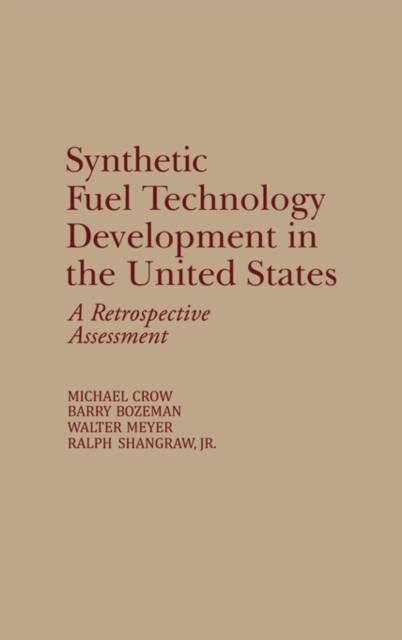
Synthetic Fuel Technology Development in the United States
A Retrospective Assessment
Barry Bozeman, Michael Crow
Hardcover | Engels
€ 169,95
+ 339 punten
Omschrijving
Direct coal liquefaction, a synthetic liquid fuel process, is one of the major developmental alternatives for meeting the anticipated fuel demands for the twenty-first century. This work provides a retrospective assessment of past attempts in this century to develop synthetic liquid fuel and applies the findings to produce reliable and pertinent data for the future. Retrospective technology assessment, a recent methodological invention, is used by the authors to analyze the past synthetic liquid fuel programs and the reasons for their failures. Bringing to bear four different perspectives--economic, technological, policy, and historical--the authors draw broad conclusions that will help guide the next development effort in the United States.
Specificaties
Betrokkenen
- Auteur(s):
- Uitgeverij:
Inhoud
- Aantal bladzijden:
- 187
- Taal:
- Engels
Eigenschappen
- Productcode (EAN):
- 9780275930837
- Verschijningsdatum:
- 17/11/1988
- Uitvoering:
- Hardcover
- Formaat:
- Genaaid
- Afmetingen:
- 156 mm x 234 mm
- Gewicht:
- 449 g


Alleen bij Standaard Boekhandel
+ 339 punten op je klantenkaart van Standaard Boekhandel
Cadeau

AANGERADEN


Beoordelingen
We publiceren alleen reviews die voldoen aan de voorwaarden voor reviews. Bekijk onze voorwaarden voor reviews.