


- Afhalen na 1 uur in een winkel met voorraad
- Gratis thuislevering in België vanaf € 30
- Ruim aanbod met 7 miljoen producten
- Afhalen na 1 uur in een winkel met voorraad
- Gratis thuislevering in België vanaf € 30
- Ruim aanbod met 7 miljoen producten





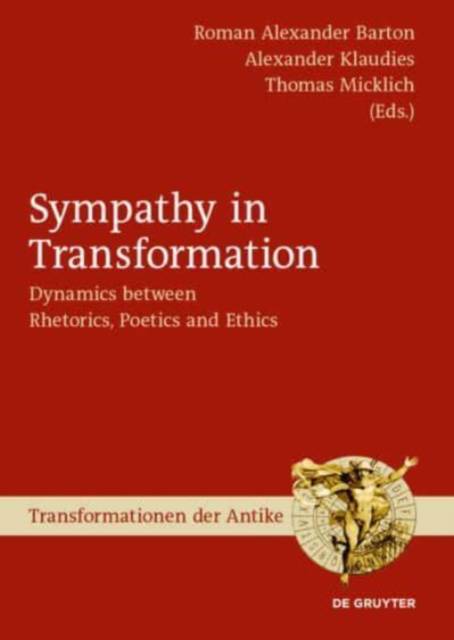
Sympathy in Transformation
Dynamics Between Rhetorics, Poetics and Ethics
€ 119,45
+ 238 punten
Omschrijving
There is little doubt that sympathy plays a pivotal role in aesthetic as well as moral experience, yet also little agreement on how to describe this connection and its long history. This volume investigates the changes in the concept of sympathy as well as its rhetorical, poetical and ethical functions from antiquity to the threshold of Romanticism. The focus is on sympathy's development from a cosmological principle expressing the coherence, correspondence, and unity of all things into a theoretical key concept of intersubjectivity informing moral philosophy, criticism and literature. Thus, Sympathy in Transformation offers important insights into the many ways in which, when sympathy migrates into diverse discourses in Early Modernity, its ancient origins dwindle out of sight, while some of its central elements re-emerge in a surprising manner.
Specificaties
Betrokkenen
- Uitgeverij:
Inhoud
- Aantal bladzijden:
- 296
- Taal:
- Duits, Engels
- Reeks:
- Reeksnummer:
- nr. 51
Eigenschappen
- Productcode (EAN):
- 9783110515480
- Verschijningsdatum:
- 8/10/2018
- Uitvoering:
- Hardcover
- Formaat:
- Genaaid
- Afmetingen:
- 170 mm x 244 mm
- Gewicht:
- 671 g


Alleen bij Standaard Boekhandel
+ 238 punten op je klantenkaart van Standaard Boekhandel
AANGERADEN


Beoordelingen
We publiceren alleen reviews die voldoen aan de voorwaarden voor reviews. Bekijk onze voorwaarden voor reviews.