



Bedankt voor het vertrouwen het afgelopen jaar! Om jou te bedanken bieden we GRATIS verzending (in België) aan op alles gedurende de hele maand januari.
- Afhalen na 1 uur in een winkel met voorraad
- In januari gratis thuislevering in België
- Ruim aanbod met 7 miljoen producten
Bedankt voor het vertrouwen het afgelopen jaar! Om jou te bedanken bieden we GRATIS verzending (in België) aan op alles gedurende de hele maand januari.
- Afhalen na 1 uur in een winkel met voorraad
- In januari gratis thuislevering in België
- Ruim aanbod met 7 miljoen producten





Omschrijving
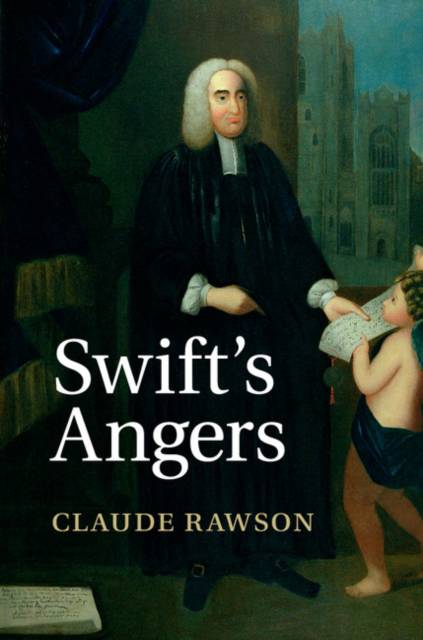
Jonathan Swift's angers were all too real, though Swift was temperamentally equivocal about their display. Even in his most brilliant satire, A Tale of a Tub, the aggressive vitality of the narrative is designed, for all the intensity of its sting, never to lose its cool. Yet Swift's angers are partly self-implicating, since his own temperament was close to the things he attacked, and behind his angers are deep self-divisions. Though he regarded himself as 'English' and despised the Irish 'natives' over whom the English ruled, Swift became the hero of an Irish independence he would not have desired. In this magisterial account, Claude Rawson, widely considered the leading Swift scholar of our time, brings together recent work, as well as classic earlier discussions extensively revised, offering fresh insights into Swift's bleak view of human nature, his brilliant wit, and the indignations and self-divisions of his writings and political activism.
Specificaties
Betrokkenen
- Auteur(s):
- Uitgeverij:
Inhoud
- Aantal bladzijden:
- 316
- Taal:
- Engels
Eigenschappen
- Productcode (EAN):
- 9781107034778
- Verschijningsdatum:
- 23/10/2014
- Uitvoering:
- Hardcover
- Formaat:
- Genaaid
- Afmetingen:
- 147 mm x 236 mm
- Gewicht:
- 566 g



Alleen bij Standaard Boekhandel
+ 345 punten op je klantenkaart van Standaard Boekhandel
SOLDEN


Beoordelingen
We publiceren alleen reviews die voldoen aan de voorwaarden voor reviews. Bekijk onze voorwaarden voor reviews.