


- Afhalen na 1 uur in een winkel met voorraad
- Gratis thuislevering in België vanaf € 30
- Ruim aanbod met 7 miljoen producten
- Afhalen na 1 uur in een winkel met voorraad
- Gratis thuislevering in België vanaf € 30
- Ruim aanbod met 7 miljoen producten





€ 140,95
+ 281 punten
Omschrijving
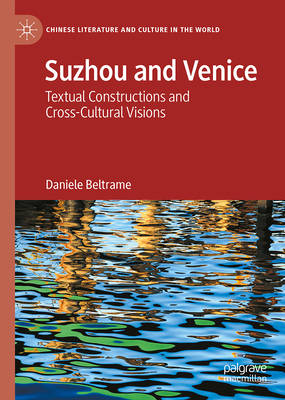
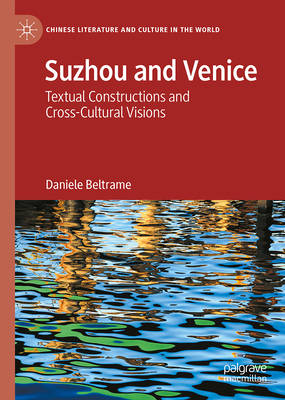
This book traces the key stages in the cultural construction of Suzhou as 'the Venice of China, ' through textual and visual representations by European missionaries, travellers and intellectuals from the thirteenth through nineteenth centuries. The images and representations of China they produced played a significant role in shaping and disseminating knowledge about the 'Orient'. In their works, the frequent parallel drawn between Venice and Suzhou served a heuristic function: it aimed to domesticate a distant and foreign reality for a European audience. While initial depictions of China, influenced by late-Renaissance thought, constructed China through inductive and analogical methods, voyagers in the eighteenth and nineteenth centuries adopted an empirical stance often filtered through a picturesque view that resulted in a similarly fictional portrayal of China. The vision of Suzhou as 'the Venice of China' endured over the centuries and was solidified by its consistent reiteration. Following the twinning agreement between Suzhou and Venice in 1980, the discursive association between the two cities intensified. The first part of this book describes the cultural construction of the long palimpsest that shaped the image of Suzhou as the 'Venice of China'. The second part explores how Venice is portrayed in Chinese sources, which initially reflected various foreign perspectives and ultimately culminated in a reversal of the centuries-old adage, presenting Venice as 'the Suzhou of Europe'.
Specificaties
Betrokkenen
- Auteur(s):
- Uitgeverij:
Inhoud
- Aantal bladzijden:
- 331
- Taal:
- Engels
- Reeks:
Eigenschappen
- Productcode (EAN):
- 9783032158758
- Verschijningsdatum:
- 24/07/2026
- Uitvoering:
- Hardcover
- Formaat:
- Genaaid
- Afmetingen:
- 148 mm x 210 mm


Alleen bij Standaard Boekhandel
+ 281 punten op je klantenkaart van Standaard Boekhandel
Cadeau

AANGERADEN


Beoordelingen
We publiceren alleen reviews die voldoen aan de voorwaarden voor reviews. Bekijk onze voorwaarden voor reviews.