


- Afhalen na 1 uur in een winkel met voorraad
- Gratis thuislevering in België vanaf € 30
- Ruim aanbod met 7 miljoen producten
- Afhalen na 1 uur in een winkel met voorraad
- Gratis thuislevering in België vanaf € 30
- Ruim aanbod met 7 miljoen producten


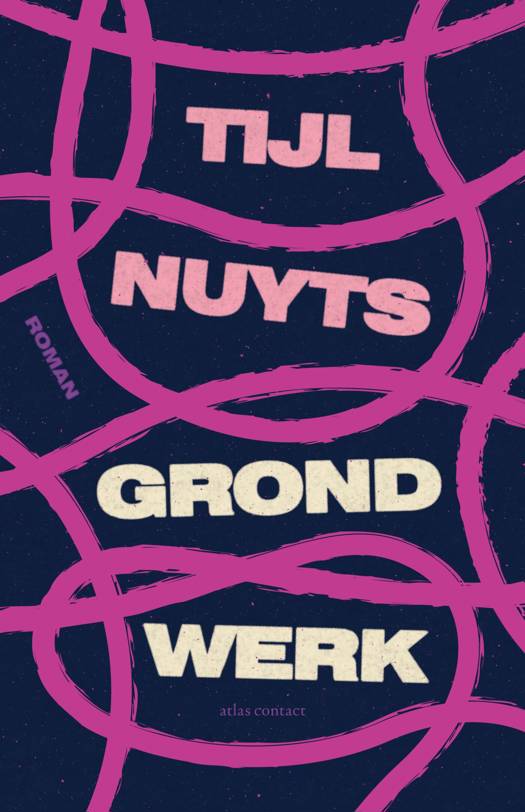


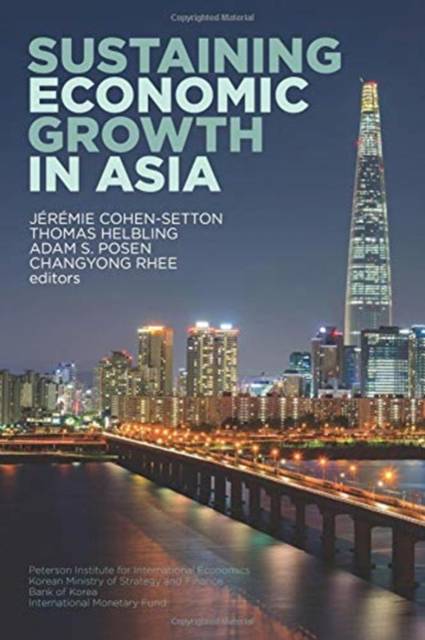
Sustaining Economic Growth in Asia
Adam Posen, Jeremie Cohen–setton, Thomas Helbling
Paperback | Engels
€ 40,95
+ 81 punten
Omschrijving
Literature in Yiddish has an almost millennium-long history. A major, if not the definitive caesura in its evolution was the outbreak of World War II, during which, of the approximately 11 million Jews who used Yiddish in their day-to-day affairs, over half perished. Yiddish literature emerged from the war severely crippled, weakened by the deaths of its writers and readers. But for many years after the war those who survived made immense efforts, in various places across the globe, to revive and foster culture in their mother tongue. After the Holocaust the major centres of literary life shifted to Western Europe, the United States, and Israel. It is widely believed that, outside the Soviet Union, there was little activity in Eastern Europe after the war. But in Poland there was a small though burgeoning and very dynamic centre of Jewish life. The community that was building it consisted of the handful of people who had miraculously survived the Holocaust in Poland, and the far larger group of those who had seen the war out in the USSR. It is the literary output of this community of survivors, created and/or published in post-war Poland to 1968, that is the subject of analysis in this work.
Specificaties
Betrokkenen
- Auteur(s):
- Uitgeverij:
Inhoud
- Aantal bladzijden:
- 450
- Taal:
- Engels
Eigenschappen
- Productcode (EAN):
- 9780881327335
- Verschijningsdatum:
- 1/05/2018
- Uitvoering:
- Paperback
- Formaat:
- Trade paperback (VS)
- Afmetingen:
- 152 mm x 226 mm
- Gewicht:
- 657 g


Alleen bij Standaard Boekhandel
+ 81 punten op je klantenkaart van Standaard Boekhandel
AANGERADEN


Beoordelingen
We publiceren alleen reviews die voldoen aan de voorwaarden voor reviews. Bekijk onze voorwaarden voor reviews.