


- Afhalen na 1 uur in een winkel met voorraad
- Gratis thuislevering in België vanaf € 30
- Ruim aanbod met 7 miljoen producten
- Afhalen na 1 uur in een winkel met voorraad
- Gratis thuislevering in België vanaf € 30
- Ruim aanbod met 7 miljoen producten





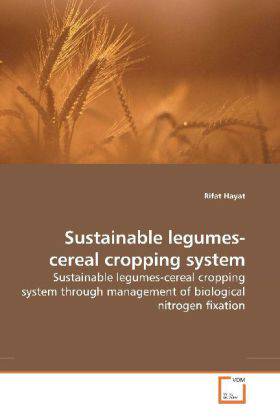
Sustainable legumes-cereal cropping system
Sustainable legumes-cereal cropping system through management of biological nitrogen fixation
Rifat Hayat
Paperback | Engels
€ 67,45
+ 134 punten
Omschrijving
Biological nitrogen fixation (BNF) is the most important biochemical reaction for life on earth. BNF occurs mainly through symbiotic association of legumes with certain N2-fixing microorganisms that convert elemental nitrogen into ammonia.Phosphorus have a significant positive effect on the growth and biological yield of the legumes. Supply of available N following legumes is usually higher than those following non-legumes. The ability of legumes to fix atmospheric nitrogen, their nodulated roots and plant residues left after harvesting represent a valuable source of organic N. Annual crop legumes, grown in rotation with cereal crops, can improve yields of the cereals and contribute to the total N pool in soil. Legume-cereal sequence also enhanced biomass and grain yield as well as WUE of subsequent wheat. However, it is recommended that further long term trials involving legumes-cereal rotation may be conducted on farmer s field to get comprehensive data, improving the understanding and to come up to a more sound conclusion.
Specificaties
Betrokkenen
- Auteur(s):
- Uitgeverij:
Inhoud
- Aantal bladzijden:
- 176
- Taal:
- Engels
Eigenschappen
- Productcode (EAN):
- 9783639189001
- Uitvoering:
- Paperback
- Afmetingen:
- 150 mm x 10 mm
- Gewicht:
- 251 g


Alleen bij Standaard Boekhandel
+ 134 punten op je klantenkaart van Standaard Boekhandel
AANGERADEN


Beoordelingen
We publiceren alleen reviews die voldoen aan de voorwaarden voor reviews. Bekijk onze voorwaarden voor reviews.