


- Afhalen na 1 uur in een winkel met voorraad
- Gratis thuislevering in België vanaf € 30
- Ruim aanbod met 7 miljoen producten
- Afhalen na 1 uur in een winkel met voorraad
- Gratis thuislevering in België vanaf € 30
- Ruim aanbod met 7 miljoen producten



€ 30,95
+ 61 punten
Omschrijving
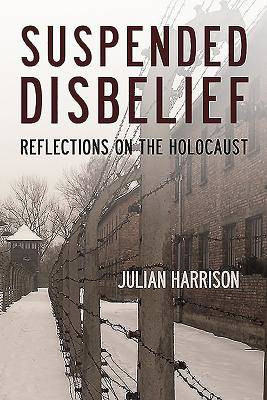
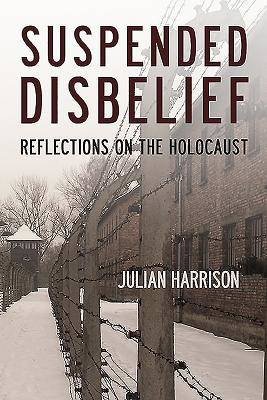
The Holocaust. The darkest chapter in the history of humankind. A pivotal period in humanity's struggle with the dangers of discrimination and prejudice. The culmination of centuries of anti-Semitism and yet, paradoxically, the trigger for new forms of anti-Jewish sentiment and action. Its legacy is an ongoing experience in countries, neighborhoods and homes across the world. Many words have been written on the Holocaust and you may ask what more is there to be said? This all new work by acclaimed historian Julian Harrison doesn't presume to have anything new to say, but rather it reflects and assesses upon what has gone before, presented through a personal journey of discovery, anguish and dare it be said, some hope. As the generation of survivors and personal witnesses become fewer in number, Suspended Disbelief considers in these days of Syrian genocide and mass murder in Darfur, what exactly we've learnt and what should the legacy of the Holocaust actually be? Digging deep into his family history and drawing upon his extensive travels in Central and Eastern Europe, Harrison has progressed a powerful and moving personal journey that goes far beyond the usual descriptions of political, social and military history.
Suspended Disbelief relates the author's own perspective and reflective thinking. He tells stories that he sees as significant, many of which will be relatively unknown, stories based on where he has been in person and where he would like us all to go, as communities heeding the lessons of the Holocaust and, indeed, of all genocides. It is, it goes without saying, a difficult odyssey. The issues are challenging and daunting; featuring guilt and culpability with an underlining thesis that there is a need to look much more closely and broadly at where responsibility lies, both at the time of the Holocaust and in its context within the conflagration that was the Second World War, and in the period since 1945 up to and including the present day. The geography of Harrison's journey is necessarily selective. It takes in many places that are global synonyms of horror, locations well known and well visited. It also serves to introduce the reader to other sites that are smaller in size, infrequent of visit, but no less significant in magnitude and meaning. Such places lead one to contemplate things such as the importance of home, of community, of togetherness; the emotional impact of learning, of music, verse and art; the centrality of family and of faith; and perhaps most important of all, the meaning and sanctity of life itself
Suspended Disbelief relates the author's own perspective and reflective thinking. He tells stories that he sees as significant, many of which will be relatively unknown, stories based on where he has been in person and where he would like us all to go, as communities heeding the lessons of the Holocaust and, indeed, of all genocides. It is, it goes without saying, a difficult odyssey. The issues are challenging and daunting; featuring guilt and culpability with an underlining thesis that there is a need to look much more closely and broadly at where responsibility lies, both at the time of the Holocaust and in its context within the conflagration that was the Second World War, and in the period since 1945 up to and including the present day. The geography of Harrison's journey is necessarily selective. It takes in many places that are global synonyms of horror, locations well known and well visited. It also serves to introduce the reader to other sites that are smaller in size, infrequent of visit, but no less significant in magnitude and meaning. Such places lead one to contemplate things such as the importance of home, of community, of togetherness; the emotional impact of learning, of music, verse and art; the centrality of family and of faith; and perhaps most important of all, the meaning and sanctity of life itself
Specificaties
Betrokkenen
- Auteur(s):
- Uitgeverij:
Inhoud
- Aantal bladzijden:
- 432
- Taal:
- Engels
Eigenschappen
- Productcode (EAN):
- 9781911096016
- Verschijningsdatum:
- 5/08/2016
- Uitvoering:
- Paperback
- Formaat:
- Trade paperback (VS)
- Afmetingen:
- 157 mm x 236 mm
- Gewicht:
- 793 g


Alleen bij Standaard Boekhandel
+ 61 punten op je klantenkaart van Standaard Boekhandel

Beoordelingen
We publiceren alleen reviews die voldoen aan de voorwaarden voor reviews. Bekijk onze voorwaarden voor reviews.