


- Afhalen na 1 uur in een winkel met voorraad
- Gratis thuislevering in België vanaf € 30
- Ruim aanbod met 7 miljoen producten
- Afhalen na 1 uur in een winkel met voorraad
- Gratis thuislevering in België vanaf € 30
- Ruim aanbod met 7 miljoen producten




€ 46,45
+ 92 punten
Uitvoering
Omschrijving
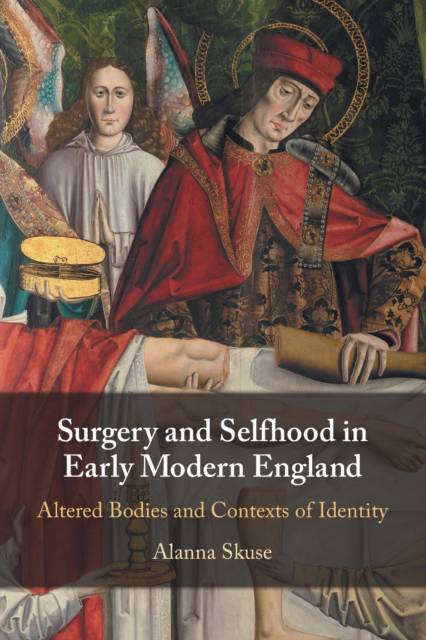
Offering an innovative perspective on early modern debates concerning embodiment, Alanna Skuse examines diverse kinds of surgical alteration, from mastectomy to castration, and amputation to facial reconstruction. Body-altering surgeries had profound socio-economic and philosophical consequences. They reached beyond the physical self, and prompted early modern authors to develop searching questions about the nature of body integrity and its relationship to the soul: was the body a part of one's identity, or a mere 'prison' for the mind? How was the body connected to personal morality? What happened to the altered body after death? Drawing on a wide variety of texts including medical treatises, plays, poems, newspaper reports and travel writings, this volume will argue the answers to these questions were flexible, divergent and often surprising, and helped to shape early modern thoughts on philosophy, literature, and the natural sciences. This title is also available as Open Access on Cambridge Core.
Specificaties
Betrokkenen
- Auteur(s):
- Uitgeverij:
Inhoud
- Aantal bladzijden:
- 210
- Taal:
- Engels
Eigenschappen
- Productcode (EAN):
- 9781108826181
- Verschijningsdatum:
- 16/02/2023
- Uitvoering:
- Paperback
- Formaat:
- Trade paperback (VS)
- Afmetingen:
- 152 mm x 229 mm
- Gewicht:
- 285 g


Alleen bij Standaard Boekhandel
+ 92 punten op je klantenkaart van Standaard Boekhandel
AANGERADEN


Beoordelingen
We publiceren alleen reviews die voldoen aan de voorwaarden voor reviews. Bekijk onze voorwaarden voor reviews.