


- Afhalen na 1 uur in een winkel met voorraad
- Gratis thuislevering in België vanaf € 30
- Ruim aanbod met 7 miljoen producten
- Afhalen na 1 uur in een winkel met voorraad
- Gratis thuislevering in België vanaf € 30
- Ruim aanbod met 7 miljoen producten





€ 47,45
+ 94 punten
Omschrijving
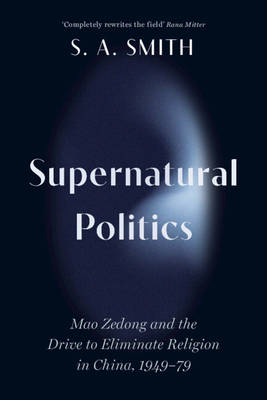
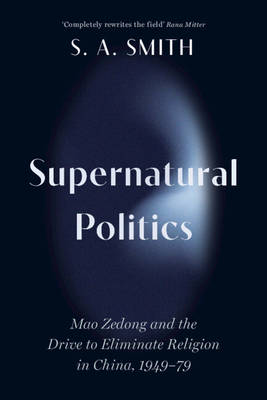
In this landmark contribution to the study of modern China, Steve Smith examines the paradox of 'supernatural politics'. He shows that we cannot understand the meaning of the Communist revolution to the Han Chinese without exploring their belief in gods, ghosts and ancestors. China was a religious society when the Communist Party took power in 1949, and it sought to erode the influence of the minority religions of Buddhism, Daoism, Catholicism and Protestantism. However, it was the folk religion of the great majority that seemed to symbolize China's backwardness. Smith explores the Party's efforts to eliminate belief in supernatural entities and cosmic forces through propaganda campaigns and popularizing science. Yet he also shows how the Party engaged in 'supernatural politics' to expand its support, utilizing imagery, metaphors and values that resonated with folk religion and Confucianism. Folk religion is thus essential to understanding the transformative experience of revolution.
Specificaties
Betrokkenen
- Auteur(s):
- Uitgeverij:
Inhoud
- Aantal bladzijden:
- 394
- Taal:
- Engels
- Reeks:
Eigenschappen
- Productcode (EAN):
- 9781009600989
- Verschijningsdatum:
- 4/06/2026
- Uitvoering:
- Hardcover
- Formaat:
- Genaaid
- Afmetingen:
- 163 mm x 230 mm
- Gewicht:
- 648 g


Alleen bij Standaard Boekhandel
+ 94 punten op je klantenkaart van Standaard Boekhandel
Cadeau

AANGERADEN


Beoordelingen
We publiceren alleen reviews die voldoen aan de voorwaarden voor reviews. Bekijk onze voorwaarden voor reviews.