


- Afhalen na 1 uur in een winkel met voorraad
- Gratis thuislevering in België vanaf € 30
- Ruim aanbod met 7 miljoen producten
- Afhalen na 1 uur in een winkel met voorraad
- Gratis thuislevering in België vanaf € 30
- Ruim aanbod met 7 miljoen producten




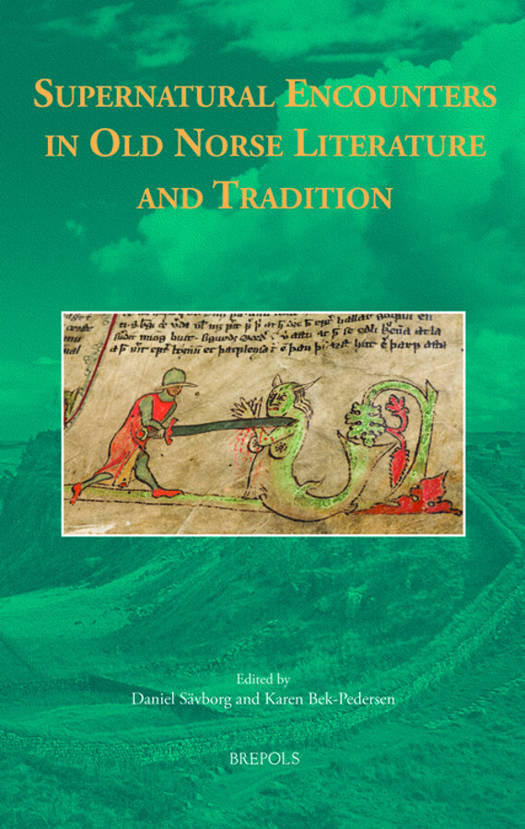
Supernatural Encounters in Old Norse Literature and Tradition
Daniel Sävborg
€ 90,10
+ 180 punten
Omschrijving
The Icelandic sagas have long been famous for their alleged realism, and within this conventional view, references to the supernatural have often been treated as anomalies. Yet, as this volume demonstrates, such elements were in fact an important part of Old Norse literature and tradition, and their study can provide new and intriguing insights into the world-view of the medieval Icelanders. By providing an extensive and interdisciplinary treatment of the supernatural within sagas, the eleven chapters presented here seek to explore the literary and folkloric interface between the natural and the supernatural through a study of previously neglected texts (such as Bergbuaattr, Selkollu attr, and Illuga saga Gridarfostra), as well as examining genres that are sometimes overlooked (including fornaldarsogur and byskupa sogur), law codes, and learned translations. Contributors including Armann Jakobsson, Margaret Cormack, Jan Ragnar Hagland, and Bengt af Klintberg explore how the supernatural was depicted within saga literature and how it should be understood, as well as questioning the origins of such material and investigating the parallels between saga motifs and broader folkloric beliefs. In doing so, this volume also raises important questions about the established boundaries between different saga genres and challenges the way these texts have traditionally been approached.
Specificaties
Betrokkenen
- Auteur(s):
- Uitgeverij:
Inhoud
- Aantal bladzijden:
- 266
- Taal:
- Engels
- Reeks:
- Reeksnummer:
- nr. 1
Eigenschappen
- Productcode (EAN):
- 9782503575315
- Verschijningsdatum:
- 30/10/2018
- Uitvoering:
- Hardcover
- Formaat:
- Genaaid
- Afmetingen:
- 163 mm x 241 mm
- Gewicht:
- 612 g


Alleen bij Standaard Boekhandel
+ 180 punten op je klantenkaart van Standaard Boekhandel
CADEAU

AANGERADEN


Beoordelingen
We publiceren alleen reviews die voldoen aan de voorwaarden voor reviews. Bekijk onze voorwaarden voor reviews.