


- Afhalen na 1 uur in een winkel met voorraad
- Gratis thuislevering in België vanaf € 30
- Ruim aanbod met 7 miljoen producten
- Afhalen na 1 uur in een winkel met voorraad
- Gratis thuislevering in België vanaf € 30
- Ruim aanbod met 7 miljoen producten





€ 190,80
+ 381 punten
Omschrijving
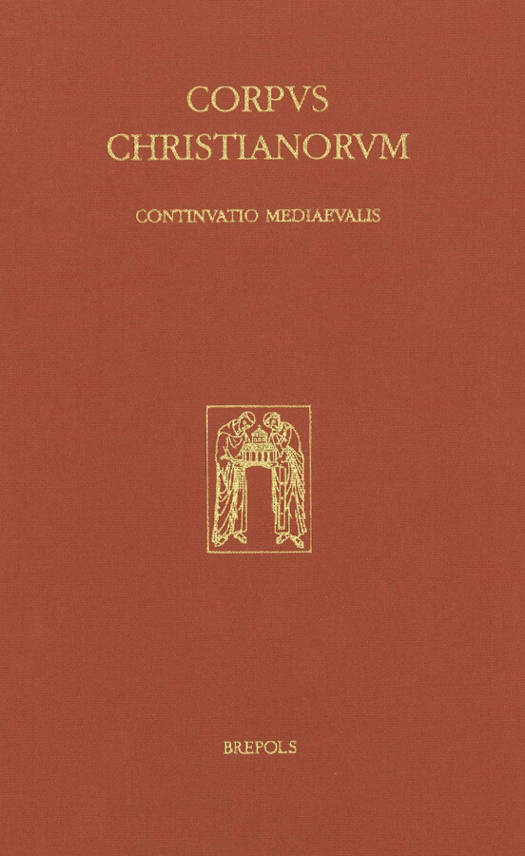
Active in Rome in the mid-twelfth century, Nicolaus Maniacoria was a productive and versatile author, editor and scribe. In the introduction to his main work, the Suffraganeus bibliotheca, Maniacoria offers what are perhaps the most detailed medieval explanations for scribal errors in manuscripts. The main part of the text consists of brief comments on the canonical books of the Old Testament. His exegetical work distinguishes itself by two features. First, Maniacoria focuses on the literal sense and explains uncommon words. And secondly, the Suffraganeus bibliotheca reflects his interest in the Hebrew Bible and Jewish exegesis. His most important Jewish sources are Rashi and Abraham ibn Ezra, whom he might have known personally. Furthermore, Maniacoria offers biblical variants that are not attested in the Latin tradition but that agree literally with the Hebrew. The Suffraganeus bibliotheca thus constitutes an early example of twelfth-century Christian Hebraism.
Specificaties
Betrokkenen
- Auteur(s):
- Uitgeverij:
Inhoud
- Aantal bladzijden:
- 210
- Taal:
- Frans
- Reeks:
- Reeksnummer:
- nr. 262
Eigenschappen
- Productcode (EAN):
- 9782503548388
- Verschijningsdatum:
- 5/07/2013
- Uitvoering:
- Hardcover
- Formaat:
- Genaaid
- Gewicht:
- 1133 g


Alleen bij Standaard Boekhandel
+ 381 punten op je klantenkaart van Standaard Boekhandel
Cadeau

AANGERADEN


Beoordelingen
We publiceren alleen reviews die voldoen aan de voorwaarden voor reviews. Bekijk onze voorwaarden voor reviews.