


- Afhalen na 1 uur in een winkel met voorraad
- Gratis thuislevering in België vanaf € 30
- Ruim aanbod met 7 miljoen producten
- Afhalen na 1 uur in een winkel met voorraad
- Gratis thuislevering in België vanaf € 30
- Ruim aanbod met 7 miljoen producten





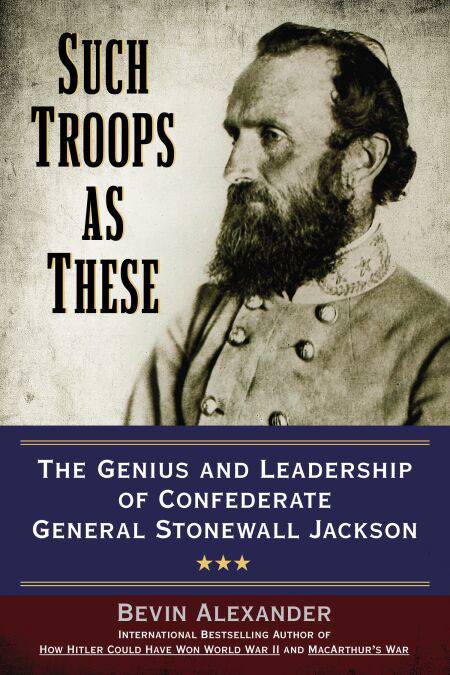
Such Troops as These E-BOOK
The Genius and Leadership of Confederate General Stonewall Jackson
Bevin Alexander
E-book | Engels
€ 11,55
+ 11 punten
Uitvoering
Eenvoudig bestellen
Veilig betalen


Onmiddellijk geleverd via e-mail
Omschrijving
Acclaimed military historian Bevin Alexander offers a fresh and cogent analysis of Stonewall Jackson’s military genius and reveals how the Civil War might have ended differently if Jackson’s strategies had been adopted.
The Civil War of 1861–65 pitted the industrial North against the agricultural South, and remains the most catastrophic conflict in terms of loss of life in American history. With triple the population and eleven times the industry, the Union had a decided advantage over the Confederacy in terms of direct conflict and conventional warfare. One general had the vision of an alternative approach that could win the War for the South—his name was Thomas J. “Stonewall” Jackson.
It was Jackson’s strategy to always strike at the Union’s vulnerabilities, not to challenge its power directly. He won a campaign against the North with a force only a quarter of the size of the Union army, and he was the first commander to recognize the overwhelming defensive power of the new rifles and cannons. With most of its military forces on the offensive in the South, the North was left virtually undefended on its own turf. Jackson believed invading the eastern states along the great industrial corridor from Baltimore to Maine could divide and cripple the Union, forcing surrender. But he failed to convince Confederate president Jefferson Davis or General Robert E. Lee of the viability of his plan.
In Such Troops as These, Bevin Alexander presents a compelling case for Stonewall Jackson as a supreme military strategist and the greatest general in American history. Fiercely dedicated to the cause of Southern independence, Jackson would not live to see the end of the War. But his military legacy lives on and finds fitting tribute in this book.
The Civil War of 1861–65 pitted the industrial North against the agricultural South, and remains the most catastrophic conflict in terms of loss of life in American history. With triple the population and eleven times the industry, the Union had a decided advantage over the Confederacy in terms of direct conflict and conventional warfare. One general had the vision of an alternative approach that could win the War for the South—his name was Thomas J. “Stonewall” Jackson.
It was Jackson’s strategy to always strike at the Union’s vulnerabilities, not to challenge its power directly. He won a campaign against the North with a force only a quarter of the size of the Union army, and he was the first commander to recognize the overwhelming defensive power of the new rifles and cannons. With most of its military forces on the offensive in the South, the North was left virtually undefended on its own turf. Jackson believed invading the eastern states along the great industrial corridor from Baltimore to Maine could divide and cripple the Union, forcing surrender. But he failed to convince Confederate president Jefferson Davis or General Robert E. Lee of the viability of his plan.
In Such Troops as These, Bevin Alexander presents a compelling case for Stonewall Jackson as a supreme military strategist and the greatest general in American history. Fiercely dedicated to the cause of Southern independence, Jackson would not live to see the end of the War. But his military legacy lives on and finds fitting tribute in this book.
Specificaties
Betrokkenen
- Auteur(s):
- Uitgeverij:
Inhoud
- Aantal bladzijden:
- 336
- Taal:
- Engels
Eigenschappen
- Productcode (EAN):
- 9780698138193
- Verschijningsdatum:
- 1/09/2014
- Uitvoering:
- E-book
- Beveiligd met:
- Adobe DRM
- Formaat:
- ePub



Alleen bij Standaard Boekhandel
+ 11 punten op je klantenkaart van Standaard Boekhandel
CADEAU

AANGERADEN


Beoordelingen
We publiceren alleen reviews die voldoen aan de voorwaarden voor reviews. Bekijk onze voorwaarden voor reviews.