


- Afhalen na 1 uur in een winkel met voorraad
- Gratis thuislevering in België vanaf € 30
- Ruim aanbod met 7 miljoen producten
- Afhalen na 1 uur in een winkel met voorraad
- Gratis thuislevering in België vanaf € 30
- Ruim aanbod met 7 miljoen producten





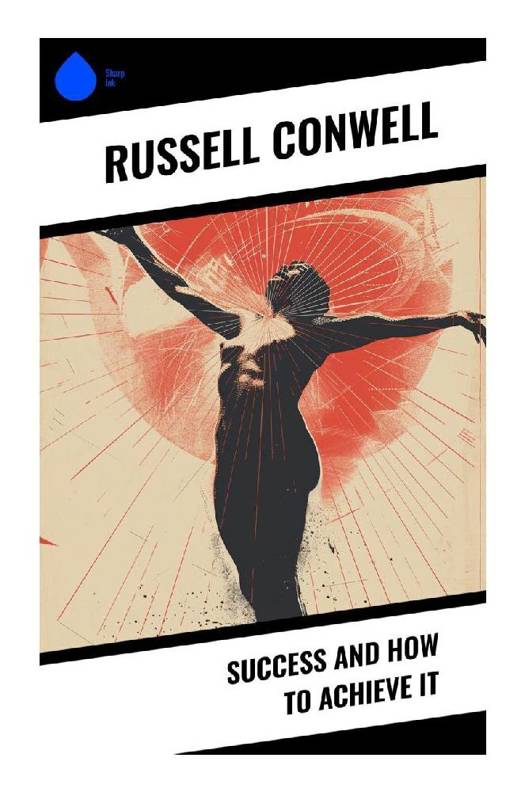
Success and How to Achieve It
Classic American Essays on Character, Opportunity, Practical Ambition, and Prosperity Through Service
Russell Conwell
Paperback | Engels
€ 9,95
+ 19 punten
Eenvoudig bestellen
Veilig betalen


Gratis thuislevering vanaf € 30 (via bpost)
Gratis levering in je Standaard Boekhandel
Omschrijving
Success and How to Achieve It distills Russell Conwell's characteristic doctrine that achievement arises from disciplined purpose, moral character, intelligent labor, and alertness to opportunity close at hand. Written in the plain, exhortatory style of the public lecture and sermon, the book belongs to the late nineteenth- and early twentieth-century American tradition of practical self-culture, alongside works of moral uplift and entrepreneurial encouragement. Its prose is direct, anecdotal, and persuasive, less a theoretical treatise than a civic-minded manual for converting ambition into useful action. Conwell was a Baptist minister, lawyer, journalist, Civil War veteran, and the founder of Temple University, and these varied experiences deeply shaped his view of success. Best known for his lecture Acres of Diamonds, he repeatedly argued that prosperity and service need not be opposed: one's talents should be cultivated not merely for private gain but for community benefit. His educational work among working people in Philadelphia gave his counsel a distinctly democratic urgency. This book is recommended for readers interested in the origins of American motivational literature, the ethics of self-improvement, or the rhetoric of practical optimism. It remains most valuable when read as both inspiration and historical document.
Specificaties
Betrokkenen
- Auteur(s):
- Uitgeverij:
Inhoud
- Taal:
- Engels
Eigenschappen
- Productcode (EAN):
- 9788028358686
- Uitvoering:
- Paperback
- Afmetingen:
- 152 mm x 229 mm
- Gewicht:
- 176 g


Alleen bij Standaard Boekhandel
+ 19 punten op je klantenkaart van Standaard Boekhandel
CADEAU

AANGERADEN


Beoordelingen
We publiceren alleen reviews die voldoen aan de voorwaarden voor reviews. Bekijk onze voorwaarden voor reviews.