



Bedankt voor het vertrouwen het afgelopen jaar! Om jou te bedanken bieden we GRATIS verzending (in België) aan op alles gedurende de hele maand januari.
- Afhalen na 1 uur in een winkel met voorraad
- In januari gratis thuislevering in België
- Ruim aanbod met 7 miljoen producten
Bedankt voor het vertrouwen het afgelopen jaar! Om jou te bedanken bieden we GRATIS verzending (in België) aan op alles gedurende de hele maand januari.
- Afhalen na 1 uur in een winkel met voorraad
- In januari gratis thuislevering in België
- Ruim aanbod met 7 miljoen producten





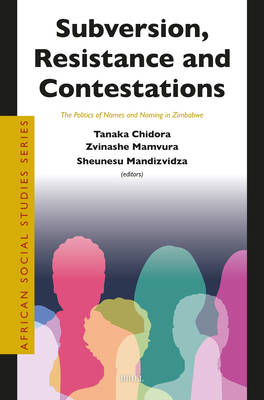
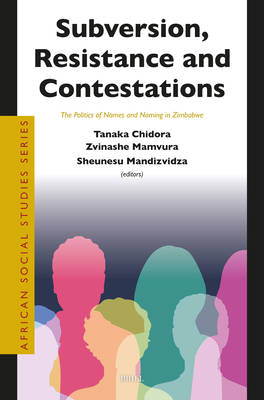
Subversion, Resistance and Contestations
The Politics of Names and Naming in Zimbabwe
€ 131,45
+ 262 punten
Omschrijving
This volume is unique because it is the first full-volume book to gather various contributions on the politics of names and naming in Zimbabwe. The premise of the book is that names are historical archives; thus, the chapters gathered herein attempt a chronological survey of the politics of names and naming from the colonial period to the post-Mugabe era, popularly euphemised as the New Dispensation. This chronological study of names and naming was not meant to give a linear narrative of subversion, resistance and contestation, but to show that Zimbabwe does not have a monolithic history and that a chronological study of the names and naming traditions from the colonial period to the present will reveal various histories of Zimbabweans struggling against various hegemonies, from a colonialist chronotope that threatened the onomastic erasure of black people to present political machinations and nomenclatural shenanigans that seek to disavow violent legacies. The multidisciplinary nature of this volume allowed for a more inclusive approach to the politics of names and naming in Zimbabwe. The various chapters constituting this volume were contributed by scholars from the fields of linguistics, literary studies, history, sociology, media and music studies in Zimbabwe. Zimbabwe has consistently offered an interesting case study in various academic fields because of its unique history that includes a protracted liberation struggle and unrelenting post-independence crises. Thus, this volume offers a unique opportunity and archive for researchers interested in Zimbabwean history, politics, literature and culture.
Specificaties
Betrokkenen
- Uitgeverij:
Inhoud
- Aantal bladzijden:
- 278
- Taal:
- Engels
- Reeks:
- Reeksnummer:
- nr. 50
Eigenschappen
- Productcode (EAN):
- 9789004744486
- Verschijningsdatum:
- 18/12/2025
- Uitvoering:
- Paperback
- Formaat:
- Trade paperback (VS)
- Afmetingen:
- 155 mm x 235 mm

Alleen bij Standaard Boekhandel
+ 262 punten op je klantenkaart van Standaard Boekhandel
SOLDEN


Beoordelingen
We publiceren alleen reviews die voldoen aan de voorwaarden voor reviews. Bekijk onze voorwaarden voor reviews.