


- Afhalen na 1 uur in een winkel met voorraad
- Gratis thuislevering in België vanaf € 30
- Ruim aanbod met 7 miljoen producten
- Afhalen na 1 uur in een winkel met voorraad
- Gratis thuislevering in België vanaf € 30
- Ruim aanbod met 7 miljoen producten





€ 147,45
+ 294 punten
Omschrijving
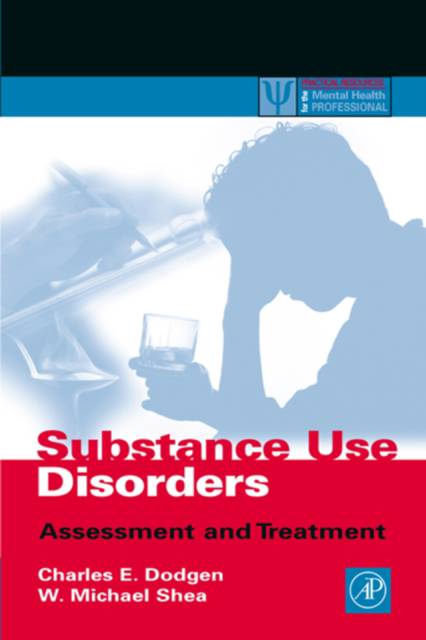
Substance Use Disorders: Assessment and Treatment is a summary of everything a therapist should know about substance abuse in one easy-to-read comprehensive book. The book begins with a discussion of the pharmacology of specific drug classes (opioids, hallucinogens, etc.) and the epidemiology of abuse. It then presents psychological theories of substance abuse, the initiation and progression of substance abuse disorders, issues of prevention and early intervention, and screening and assessment for substance abuse (including specific tests for assessment) and discusses in detail the various treatment methodologies available. Two final chapters explore issues relevant to special populations and legal and ethical considerations, regarding issues such as confidentiality and coerced treatment.
Specificaties
Betrokkenen
- Auteur(s):
- Uitgeverij:
Inhoud
- Aantal bladzijden:
- 174
- Taal:
- Engels
- Reeks:
Eigenschappen
- Productcode (EAN):
- 9780122191602
- Verschijningsdatum:
- 31/03/2000
- Uitvoering:
- Hardcover
- Formaat:
- Genaaid
- Afmetingen:
- 160 mm x 237 mm
- Gewicht:
- 421 g


Alleen bij Standaard Boekhandel
+ 294 punten op je klantenkaart van Standaard Boekhandel
Cadeau

AANGERADEN


Beoordelingen
We publiceren alleen reviews die voldoen aan de voorwaarden voor reviews. Bekijk onze voorwaarden voor reviews.