


- Afhalen na 1 uur in een winkel met voorraad
- Gratis thuislevering in België vanaf € 30
- Ruim aanbod met 7 miljoen producten
- Afhalen na 1 uur in een winkel met voorraad
- Gratis thuislevering in België vanaf € 30
- Ruim aanbod met 7 miljoen producten





€ 149,45
+ 298 punten
Omschrijving
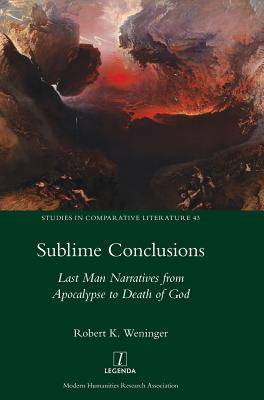
One writer, Mary Shelley, inaugurated two of the three paradigms through which human beings imagine, with panic or pleasure, the end of their species. Complementing her visions of a world-encompassing natural plague (The Last Man, 1826) and man-made technological self-eradication (Frankenstein, 1818), the third - and oldest - paradigm of how to depict humankind's demise is the religious notion of Apocalypse, God's Day of Reckoning. Through in-depth philosophical and theological contextualization of the German, French and British literary settings of the apocalyptic tradition around 1800, Sublime Conclusions chronicles the transition from theism and deism to atheism and the 'Death of God' on which, Weninger contends, Shelley's novels - and hence modern science fiction in general - are premised. A tour de force of comparative methodology, Weninger's transdisciplinary approach is as wide-ranging as it is meticulous, interweaving the manifold discourses of catastrophe in literary history, art and film history, philosophy and theology, as well as the history of science and science fiction, across more than two centuries of European intellectual history from Voltaire's mid-eighteenth-century response to the earthquake of Lisbon to Gunther Anders's presaging, in the wake of Hiroshima, humankind's extinction through nuclear Armageddon.
Specificaties
Betrokkenen
- Auteur(s):
- Uitgeverij:
Inhoud
- Aantal bladzijden:
- 220
- Taal:
- Engels
- Reeks:
- Reeksnummer:
- nr. 43
Eigenschappen
- Productcode (EAN):
- 9781910887219
- Verschijningsdatum:
- 05/01/2026
- Uitvoering:
- Hardcover
- Formaat:
- Genaaid
- Afmetingen:
- 170 mm x 244 mm
- Gewicht:
- 1129 g


Alleen bij Standaard Boekhandel
+ 298 punten op je klantenkaart van Standaard Boekhandel

Beoordelingen
We publiceren alleen reviews die voldoen aan de voorwaarden voor reviews. Bekijk onze voorwaarden voor reviews.