


- Afhalen na 1 uur in een winkel met voorraad
- Gratis thuislevering in België vanaf € 30
- Ruim aanbod met 7 miljoen producten
- Afhalen na 1 uur in een winkel met voorraad
- Gratis thuislevering in België vanaf € 30
- Ruim aanbod met 7 miljoen producten





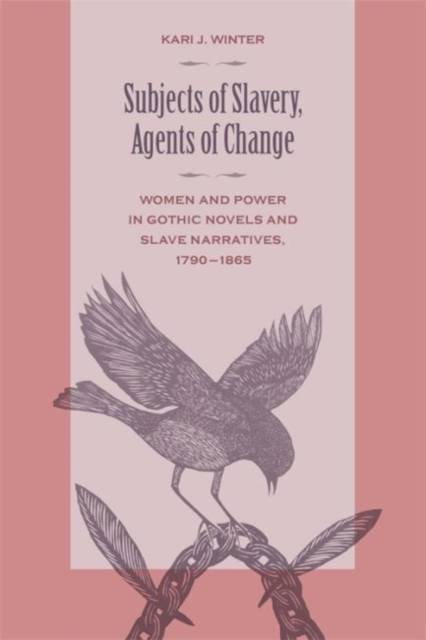
Subjects of Slavery, Agents of Change
Women and Power in Gothic Novels and Slave Narratives, 1790-1865
Kari J Winter
Paperback | Engels
€ 42,95
+ 85 punten
Omschrijving
Analyzing the historical contexts in which female Gothic novels and slave narratives were composed, Kari J. Winter shows that both types of writing expose the sexual politics at the heart of patriarchal culture and represent terrifying aspects of life for women. Careful not to equate the status of slave and female, Winter reads both genres as sites of ideological struggle to examine how they engaged the dominant classist, racist, patriarchal discourse and created possibilities for new, feminist ways of thinking. Authors whose works are considered include Harriet Jacobs, Mary Prince, Nancy Prince, Louisa Picquet, Ann Radcliffe, Mary Shelley, Mary Wollstonecraft, Jane Austen, Emily Brontë, and Charlotte Brontë.
Specificaties
Betrokkenen
- Auteur(s):
- Uitgeverij:
Inhoud
- Aantal bladzijden:
- 186
- Taal:
- Engels
Eigenschappen
- Productcode (EAN):
- 9780820336992
- Verschijningsdatum:
- 1/07/2010
- Uitvoering:
- Paperback
- Formaat:
- Trade paperback (VS)
- Afmetingen:
- 152 mm x 229 mm
- Gewicht:
- 281 g



Alleen bij Standaard Boekhandel
+ 85 punten op je klantenkaart van Standaard Boekhandel
Cadeau

AANGERADEN


Beoordelingen
We publiceren alleen reviews die voldoen aan de voorwaarden voor reviews. Bekijk onze voorwaarden voor reviews.