


- Afhalen na 1 uur in een winkel met voorraad
- Gratis thuislevering in België vanaf € 30
- Ruim aanbod met 7 miljoen producten
- Afhalen na 1 uur in een winkel met voorraad
- Gratis thuislevering in België vanaf € 30
- Ruim aanbod met 7 miljoen producten





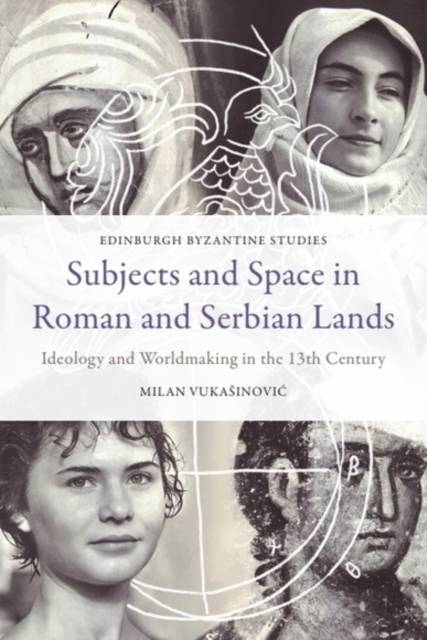
Subjects and Space in Roman and Serbian Lands
Ideology and Worldmaking in the Thirteenth Century
Milan Vukasinovic
€ 140,95
+ 281 punten
Omschrijving
Ideology remains one of the most used yet rarely defined concepts in Byzantine and Medieval Serbian Studies. Focusing on the decades following the Crusaders' conquest of Byzantine lands, this book bridges modern theory and interpretation of medieval texts to redefine ideology as a practice of performative storytelling. Vukasinovic rereads overlooked narratives from Nicaea, Epiros and Serbia--from court orations and hagiographies to monastic donations and juridical opinions--not as mere representations of events, but as social acts that shaped the world. Developing a model of how humans become subjects and produce space, the study reveals how emperors, bishops, monks, and peasants alike acted as storytellers, heroes and agents of history. It argues for diverse forms of social and political agency, challenging conventional notions of Byzantine fragmentation and Serbian independence.
Specificaties
Betrokkenen
- Auteur(s):
- Uitgeverij:
Inhoud
- Aantal bladzijden:
- 296
- Taal:
- Engels
- Reeks:
Eigenschappen
- Productcode (EAN):
- 9781399507202
- Verschijningsdatum:
- 31/07/2026
- Uitvoering:
- Hardcover
- Formaat:
- Genaaid
- Afmetingen:
- 156 mm x 234 mm


Alleen bij Standaard Boekhandel
+ 281 punten op je klantenkaart van Standaard Boekhandel
Cadeau

AANGERADEN


Beoordelingen
We publiceren alleen reviews die voldoen aan de voorwaarden voor reviews. Bekijk onze voorwaarden voor reviews.