


- Afhalen na 1 uur in een winkel met voorraad
- Gratis thuislevering in België vanaf € 30
- Ruim aanbod met 7 miljoen producten
- Afhalen na 1 uur in een winkel met voorraad
- Gratis thuislevering in België vanaf € 30
- Ruim aanbod met 7 miljoen producten





€ 7,95
+ 15 punten
Omschrijving
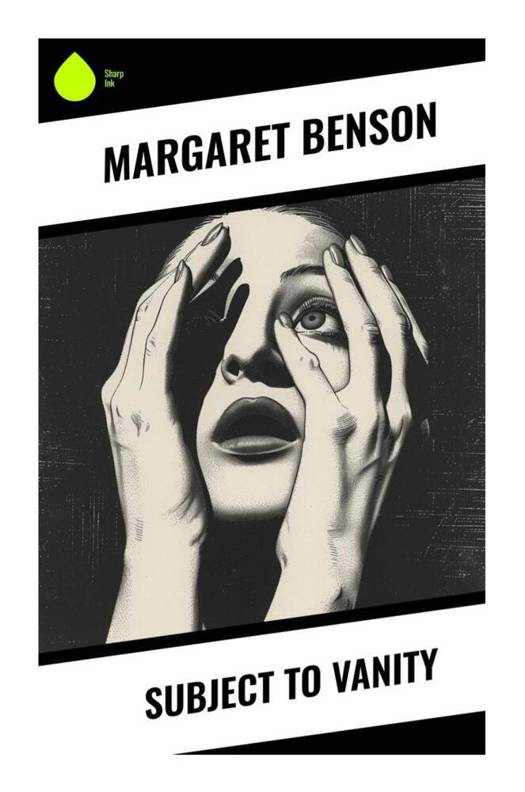
Subject to Vanity is a finely observed late-Victorian work concerned with the pressures of appearance, self-deception, and social judgment. Margaret Benson writes with a poised intelligence: her prose combines moral scrutiny with irony, attending closely to the small rituals through which character is revealed. The book belongs to a literary moment preoccupied with inwardness and reputation, standing near the psychological and social fiction of the 1890s, where comedy of manners shades into ethical inquiry. Benson herself was unusually equipped to examine such tensions. Born into the intellectually formidable Benson family-her father was Edward White Benson, Archbishop of Canterbury, and her brothers included the writers A. C. and E. F. Benson-she inhabited circles in which public role and private identity were constantly negotiated. A scholar, traveller, and pioneering Egyptologist, she brought to fiction the habits of observation, discipline, and cultural comparison that marked her wider life. Readers interested in neglected women writers, Victorian social fiction, and subtle studies of character will find Subject to Vanity rewarding. It is a thoughtful, elegant book whose apparent lightness conceals a serious meditation on the masks people wear and the moral cost of being seen.
Specificaties
Betrokkenen
- Auteur(s):
- Uitgeverij:
Inhoud
- Taal:
- Engels
Eigenschappen
- Productcode (EAN):
- 9788028330248
- Uitvoering:
- Paperback
- Afmetingen:
- 152 mm x 229 mm
- Gewicht:
- 92 g



Alleen bij Standaard Boekhandel
+ 15 punten op je klantenkaart van Standaard Boekhandel
Cadeau

AANGERADEN


Beoordelingen
We publiceren alleen reviews die voldoen aan de voorwaarden voor reviews. Bekijk onze voorwaarden voor reviews.