


- Afhalen na 1 uur in een winkel met voorraad
- Gratis thuislevering in België vanaf € 30
- Ruim aanbod met 7 miljoen producten
- Afhalen na 1 uur in een winkel met voorraad
- Gratis thuislevering in België vanaf € 30
- Ruim aanbod met 7 miljoen producten





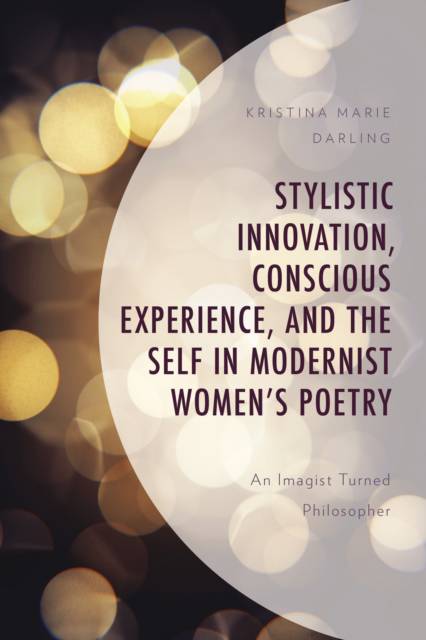
Stylistic Innovation, Conscious Experience, and the Self in Modernist Women's Poetry
An Imagist Turned Philosopher
Kristina Marie Darling
Hardcover | Engels
€ 186,95
+ 373 punten
Omschrijving
Stylistic Innovation, Conscious Experience, and the Self in Modernist Women's Poetry examines representations of philosophical discourses in Modernist women's writing. Philosophers argued in the early twentieth century for an understanding of the self as both corporeal and relational, shaped and reshaped by interactions within a community. The once clear distinction between self and other was increasingly called into question. This breakdown of boundaries between self and world often manifested in the style of early twentieth-century literary works. Modernist poetry, like stream of consciousness fiction, used metaphor, sound, and a revision of received grammatical structures to blur the boundaries between the individual and collective. This book explores the ways that feminist writers like Mina Loy, H.D., Gertrude Stein, and Marianne Moore used style and technique to respond to these philosophical debates, reclaiming agency over a predominantly male philosophical discourse. While many critics have addressed the thematic content of these writers' work, few scholars have taken up this question while focusing on the style of the writing. This book shows how these feminist poets used seemingly small stylistic choices in poetry to make necessary contributions to contemporary philosophical discourses, ultimately rendering these philosophical conversations more inclusive.
Specificaties
Betrokkenen
- Auteur(s):
- Uitgeverij:
Inhoud
- Aantal bladzijden:
- 132
- Taal:
- Engels
Eigenschappen
- Productcode (EAN):
- 9781793633064
- Verschijningsdatum:
- 7/10/2021
- Uitvoering:
- Hardcover
- Formaat:
- Genaaid
- Afmetingen:
- 152 mm x 229 mm
- Gewicht:
- 349 g


Alleen bij Standaard Boekhandel
+ 373 punten op je klantenkaart van Standaard Boekhandel
Cadeau

AANGERADEN


Beoordelingen
We publiceren alleen reviews die voldoen aan de voorwaarden voor reviews. Bekijk onze voorwaarden voor reviews.