


- Afhalen na 1 uur in een winkel met voorraad
- Gratis thuislevering in België vanaf € 30
- Ruim aanbod met 7 miljoen producten
- Afhalen na 1 uur in een winkel met voorraad
- Gratis thuislevering in België vanaf € 30
- Ruim aanbod met 7 miljoen producten





€ 79,45
+ 158 punten
Uitvoering
Omschrijving
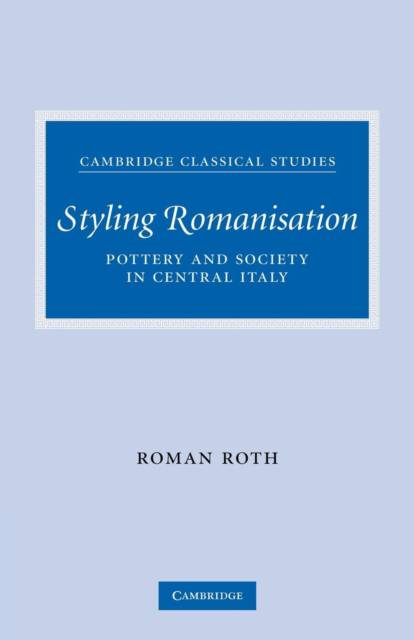
What was the impact of Romanisation on non-elite life in central Italy during the late third and second centuries BC? Focusing on the increasing spread of black-gloss pottery across the peninsula, this text demonstrates the importance of the study of such everyday artefacts as a way of approaching aspects of social history that are otherwise little documented. Placing its subject within the wider debate over cultural identity in the Roman world, the book argues that stylistic changes in such objects of everyday use document the development of new forms of social representation among non-elite groups in Roman Italy. In contrast to previous accounts, the book concludes that, rather than pointing to a loss of regional cultural identities, the ceramic patterns suggest that the Romanisation of Italy provided new material opportunities across the social scale.
Specificaties
Betrokkenen
- Auteur(s):
- Uitgeverij:
Inhoud
- Aantal bladzijden:
- 254
- Taal:
- Engels
- Reeks:
Eigenschappen
- Productcode (EAN):
- 9780521349512
- Verschijningsdatum:
- 14/07/2011
- Uitvoering:
- Paperback
- Formaat:
- Trade paperback (VS)
- Afmetingen:
- 140 mm x 216 mm
- Gewicht:
- 299 g


Alleen bij Standaard Boekhandel
+ 158 punten op je klantenkaart van Standaard Boekhandel

Beoordelingen
We publiceren alleen reviews die voldoen aan de voorwaarden voor reviews. Bekijk onze voorwaarden voor reviews.