


- Afhalen na 1 uur in een winkel met voorraad
- Gratis thuislevering in België vanaf € 30
- Ruim aanbod met 7 miljoen producten
- Afhalen na 1 uur in een winkel met voorraad
- Gratis thuislevering in België vanaf € 30
- Ruim aanbod met 7 miljoen producten





€ 50,00
+ 50 punten
Uitvoering
Omschrijving
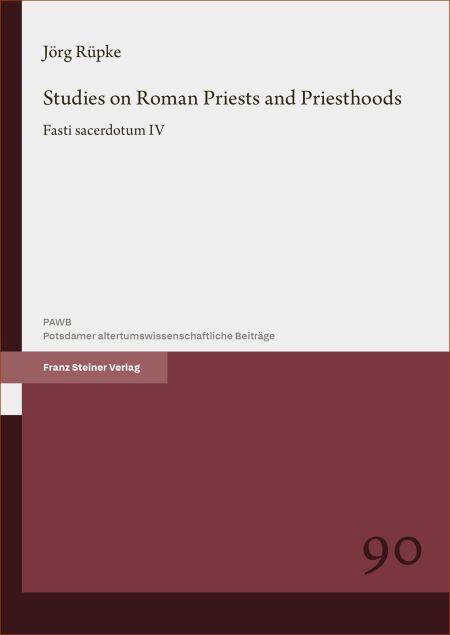
Previous research on ancient state or city religion has suggested that the growth and multiplication of priesthoods in Rome was a means of dispersing religious authority within a growing aristocratic class. Tendencies towards recentralisation can also be observed in the course of the imperial period.
This volume draws a picture of the processes of religious specialisation as they are discussed today under the term 'urban religion' for ancient cities and metropolises. The prosopographical data of the Fasti sacerdotum are used to examine how religious actors in Rome dealt with the challenges and opportunities of urbanisation and reshaped religious practices according to their experiences and their vision of the urban. The focus is on the historicisation of these processes in a city that became the capital of an empire. However, the focus is not on an imperial, but on a local and glocalised religion. Religious roles and their interactions reacted to political institutions and social values and shaped them at the same time.
This volume draws a picture of the processes of religious specialisation as they are discussed today under the term 'urban religion' for ancient cities and metropolises. The prosopographical data of the Fasti sacerdotum are used to examine how religious actors in Rome dealt with the challenges and opportunities of urbanisation and reshaped religious practices according to their experiences and their vision of the urban. The focus is on the historicisation of these processes in a city that became the capital of an empire. However, the focus is not on an imperial, but on a local and glocalised religion. Religious roles and their interactions reacted to political institutions and social values and shaped them at the same time.
Specificaties
Betrokkenen
- Auteur(s):
- Uitgeverij:
Inhoud
- Aantal bladzijden:
- 198
- Taal:
- Engels
- Reeks:
Eigenschappen
- Productcode (EAN):
- 9783515140133
- Verschijningsdatum:
- 6/11/2025
- Uitvoering:
- E-book
- Beveiligd met:
- Digital watermarking
- Formaat:



Alleen bij Standaard Boekhandel
+ 50 punten op je klantenkaart van Standaard Boekhandel
Cadeau

AANGERADEN


Beoordelingen
We publiceren alleen reviews die voldoen aan de voorwaarden voor reviews. Bekijk onze voorwaarden voor reviews.