



Je cadeautjes zeker op tijd in huis hebben voor de feestdagen? Kom langs in onze winkels en vind het perfecte geschenk!
- Afhalen na 1 uur in een winkel met voorraad
- Gratis thuislevering in België vanaf € 30
- Ruim aanbod met 7 miljoen producten
Je cadeautjes zeker op tijd in huis hebben voor de feestdagen? Kom langs in onze winkels en vind het perfecte geschenk!
- Afhalen na 1 uur in een winkel met voorraad
- Gratis thuislevering in België vanaf € 30
- Ruim aanbod met 7 miljoen producten





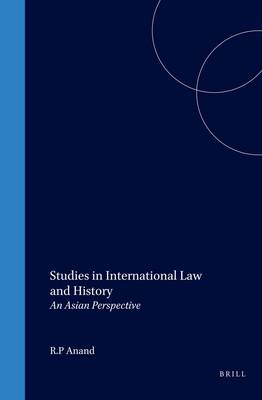
Omschrijving
Although modern international law is now recognized as universally applicable to all the states as soon as they emerge as independent entities (whether members of the United Nations or not, they are accepted as members of the ever-expanding international society, and are bound by its rules and seek its protection), this is only a recent phenomenon not older than the United Nations itself. Before the Second World War, modern international law was supposed to be merely a law of and for the civilized Western European Christian states, or states of European origin, and applicable only between them. Not only Asian and African states which had come to be colonized, but also the position of independent states, such as Persia, Siam, China, Abyssinia, and the like, was said to be anomalous. Since they belonged to different civilizations, questions were raised as to how far relations with their governments could be based on the rules of international law.
If that is the case, when did European international law become universally binding? Can states, which did not, and could not, participate in its origin and development question some of its rules, which are inimical to their interests? How can and does this law change, or be modified, in the absence of any supra-national legislature or other authority? What has been the attitude and practice of these newly independent Asian and African states towards international law, which was largely developed by and for the benefit of the rich and industrialized states of Western Europe and the United States, and even more importantly, their role in its development? The author, an Asian scholar and well-known Professor of International Law, trained and educated in the West, has sought to deal with these and other questions in the nine papers contained in this book.
If that is the case, when did European international law become universally binding? Can states, which did not, and could not, participate in its origin and development question some of its rules, which are inimical to their interests? How can and does this law change, or be modified, in the absence of any supra-national legislature or other authority? What has been the attitude and practice of these newly independent Asian and African states towards international law, which was largely developed by and for the benefit of the rich and industrialized states of Western Europe and the United States, and even more importantly, their role in its development? The author, an Asian scholar and well-known Professor of International Law, trained and educated in the West, has sought to deal with these and other questions in the nine papers contained in this book.
Specificaties
Betrokkenen
- Auteur(s):
- Uitgeverij:
Inhoud
- Aantal bladzijden:
- 287
- Taal:
- Engels
- Reeks:
- Reeksnummer:
- nr. 49
Eigenschappen
- Productcode (EAN):
- 9789004138599
- Verschijningsdatum:
- 1/01/2004
- Uitvoering:
- Paperback
- Formaat:
- Trade paperback (VS)
- Afmetingen:
- 165 mm x 242 mm
- Gewicht:
- 635 g


Alleen bij Standaard Boekhandel
+ 181 punten op je klantenkaart van Standaard Boekhandel
CADEAU


Beoordelingen
We publiceren alleen reviews die voldoen aan de voorwaarden voor reviews. Bekijk onze voorwaarden voor reviews.