


- Afhalen na 1 uur in een winkel met voorraad
- Gratis thuislevering in België vanaf € 30
- Ruim aanbod met 7 miljoen producten
- Afhalen na 1 uur in een winkel met voorraad
- Gratis thuislevering in België vanaf € 30
- Ruim aanbod met 7 miljoen producten





€ 390,45
+ 780 punten
Uitvoering
Omschrijving
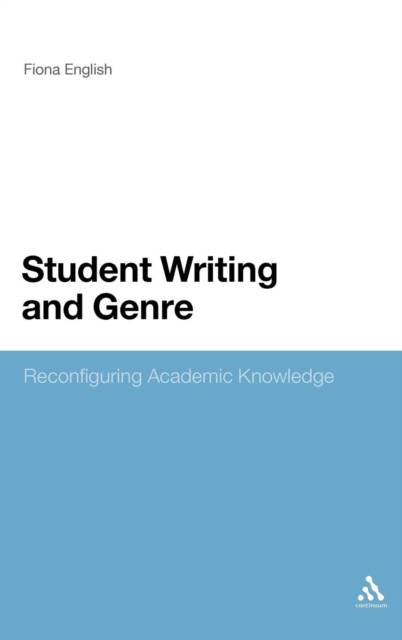
This book is about how genres affect the ways students understand and engage with their disciplines, offering a fresh approach to genre by using affordances as a key aspect in exploring the work of first year undergraduates who were given the task of reworking an essay by using a different genre. Working within a social semiotic frame of reference, it uses the notion of genre as a clear, articulated tool for discussing the relationship between knowledge and representation. It provides pedagogical solutions to contentions around genres, disciplines, academic discourses and their relation to student learning, identity and power, showing that, given the opportunity to work with different genres, students develop new ways of understanding and engaging with their disciplines. Providing a strong argument for why a wider repertoire of genres is desirable at university, this study opens up new possibilities for student writing, learning and assessment. It will appeal to teachers, subject specialists, researchers and postgraduates interested in higher education studies, academic literacies, writing in the disciplines and applied linguistics.
Specificaties
Betrokkenen
- Auteur(s):
- Uitgeverij:
Inhoud
- Aantal bladzijden:
- 240
- Taal:
- Engels
Eigenschappen
- Productcode (EAN):
- 9781441171610
- Verschijningsdatum:
- 16/06/2011
- Uitvoering:
- Hardcover
- Formaat:
- Genaaid
- Afmetingen:
- 156 mm x 234 mm
- Gewicht:
- 512 g


Alleen bij Standaard Boekhandel
+ 780 punten op je klantenkaart van Standaard Boekhandel
CADEAU

AANGERADEN


Beoordelingen
We publiceren alleen reviews die voldoen aan de voorwaarden voor reviews. Bekijk onze voorwaarden voor reviews.