


- Afhalen na 1 uur in een winkel met voorraad
- Gratis thuislevering in België vanaf € 30
- Ruim aanbod met 7 miljoen producten
- Afhalen na 1 uur in een winkel met voorraad
- Gratis thuislevering in België vanaf € 30
- Ruim aanbod met 7 miljoen producten





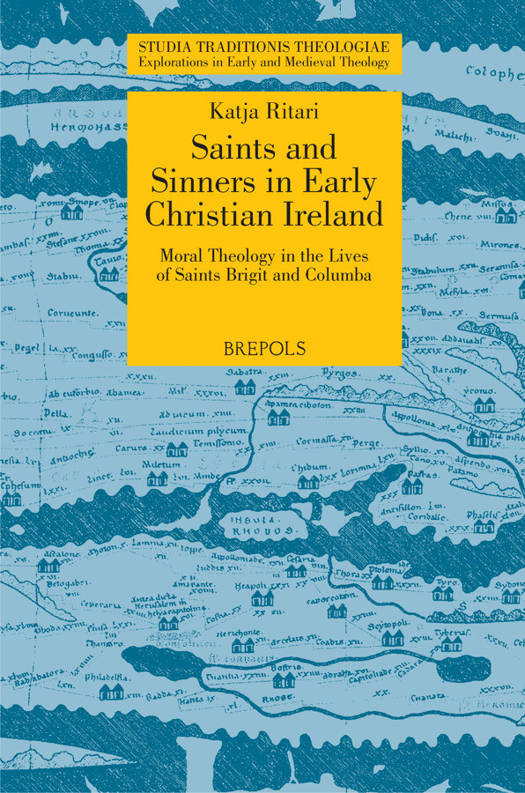
STT 03 Saints and Sinners in Early Christian Ireland: Moral Theology in the Lives of Saints Brigit and Columba, Ritari
Moral Theology in the Lives of Saints Brigit and Columba
Katja Ritari
€ 74,20
+ 148 punten
Omschrijving
In this volume, Katja Ritari shows how a theological reading of hagiography works towards gaining a fuller understanding of the complexity of issues that can be addressed in a hagiographical narrative and of the aims of the medieval authors. The three texts examined in this study belong to the earliest stratum of hagiographical writing in Ireland and thus provide evidence of the formation of an Irish Christian society. This work presents a fresh look at the earliest Lives of saints Brigit and Columba concentrating on moral theology through the image of an ideal Christian and his or her antithesis. In hagiography, the saint is presented as the paragon of perfect Christian behaviour, but the moral message concerning ideal Christian living can also be conveyed through the minor characters which populate the Lives as companions of the saint, and as witnesses and receivers of the effects of his or her miracles. This study is groundbreaking because it turns attention towards the portrayal of these characters, especially towards the lay people whose role in hagiography has thus far been neglected in scholarly studies. The topic of this study- a good Christian life- is a fundamental spiritual and theological question that has relevance to all Christians. It is a central question to the formation of a Christian identity and its soteriological significance makes it a focal theological issue.
Specificaties
Betrokkenen
- Auteur(s):
- Uitgeverij:
Inhoud
- Aantal bladzijden:
- 216
- Taal:
- Engels
- Reeks:
- Reeksnummer:
- nr. 3
Eigenschappen
- Productcode (EAN):
- 9782503533155
- Verschijningsdatum:
- 25/05/2010
- Uitvoering:
- Paperback
- Formaat:
- Trade paperback (VS)
- Afmetingen:
- 152 mm x 231 mm
- Gewicht:
- 589 g


Alleen bij Standaard Boekhandel
+ 148 punten op je klantenkaart van Standaard Boekhandel
Cadeau

AANGERADEN


Beoordelingen
We publiceren alleen reviews die voldoen aan de voorwaarden voor reviews. Bekijk onze voorwaarden voor reviews.