


- Afhalen na 1 uur in een winkel met voorraad
- Gratis thuislevering in België vanaf € 30
- Ruim aanbod met 7 miljoen producten
- Afhalen na 1 uur in een winkel met voorraad
- Gratis thuislevering in België vanaf € 30
- Ruim aanbod met 7 miljoen producten





€ 15,76
+ 15 punten
Uitvoering
Omschrijving
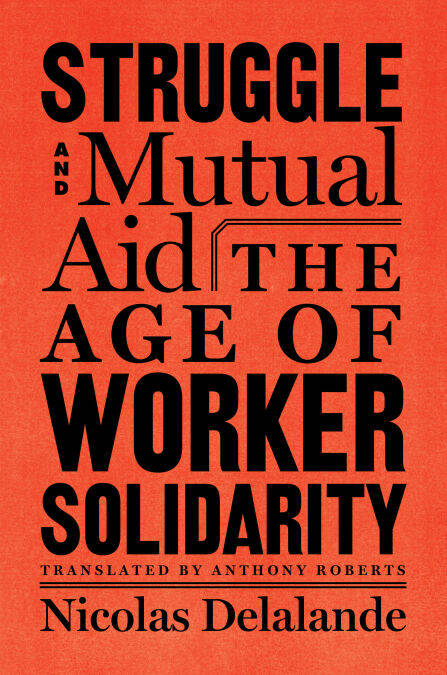
A dynamic historian revisits the workers’ internationals, whose scope and significance are commonly overlooked.
In current debates about globalization, open and borderless elites are often set in opposition to the immobile and protectionist working classes. This view obscures a major historical fact: for around a century—from the 1860s to the 1970s—worker movements were at the cutting edge of internationalism.
The creation in London of the International Workingmen’s Association in 1864 was a turning point. What would later be called the “First International” aspired to bring together European and American workers across languages, nationalities, and trades. It was a major undertaking in a context marked by opening borders, moving capital, and exploding inequalities.
In this urgent, engaging work, historian Nicolas Delalande explores how international worker solidarity developed, what it accomplished in the nineteenth and twentieth centuries, and why it collapsed over the past fifty years, to the point of disappearing from our memories.
In current debates about globalization, open and borderless elites are often set in opposition to the immobile and protectionist working classes. This view obscures a major historical fact: for around a century—from the 1860s to the 1970s—worker movements were at the cutting edge of internationalism.
The creation in London of the International Workingmen’s Association in 1864 was a turning point. What would later be called the “First International” aspired to bring together European and American workers across languages, nationalities, and trades. It was a major undertaking in a context marked by opening borders, moving capital, and exploding inequalities.
In this urgent, engaging work, historian Nicolas Delalande explores how international worker solidarity developed, what it accomplished in the nineteenth and twentieth centuries, and why it collapsed over the past fifty years, to the point of disappearing from our memories.
Specificaties
Betrokkenen
- Auteur(s):
- Vertaler(s):
- Uitgeverij:
Inhoud
- Aantal bladzijden:
- 432
- Taal:
- Engels
Eigenschappen
- Productcode (EAN):
- 9781635420111
- Verschijningsdatum:
- 30/01/2023
- Uitvoering:
- E-book
- Beveiligd met:
- Adobe DRM
- Formaat:
- ePub


Alleen bij Standaard Boekhandel
+ 15 punten op je klantenkaart van Standaard Boekhandel
Cadeau

AANGERADEN


Beoordelingen
We publiceren alleen reviews die voldoen aan de voorwaarden voor reviews. Bekijk onze voorwaarden voor reviews.