


- Afhalen na 1 uur in een winkel met voorraad
- Gratis thuislevering in België vanaf € 30
- Ruim aanbod met 7 miljoen producten
- Afhalen na 1 uur in een winkel met voorraad
- Gratis thuislevering in België vanaf € 30
- Ruim aanbod met 7 miljoen producten





€ 63,95
+ 127 punten
Omschrijving
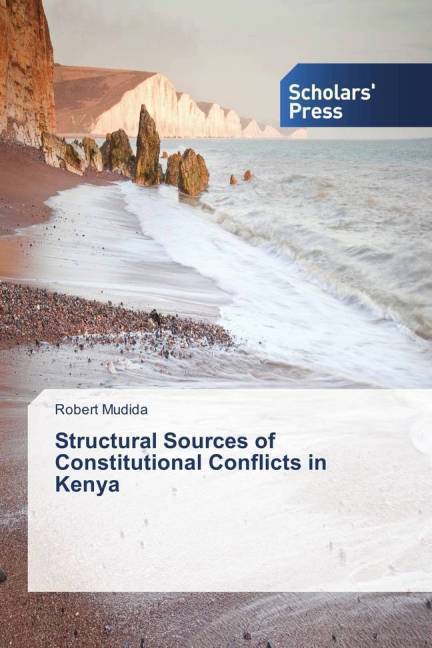
This book investigates the structural sources of constitutional conflicts in Kenyan society by examining the process and content debates in the constitutional review process that took place in the country between 1997 and 2005. The book is based on the premise that a country's constitution is a fundamental pillar on which the society is structured. The book applies the theoretical framework of structural violence to provide a deeper insight into Kenya's constitutional review process. The application of an anomalous constitution engenders structural violence in society. Constitutional conflicts in Kenya arose over the study period because the constitution at the time did not address many of the concerns of its citizens such as equitable distribution of resources and the protection of individual and minority rights. The book also demonstrates that the process of constitution-making and its content are inextricably linked. A defective process leads to an anomalous content of the constitution. The unique contribution of the book is applying a conflict perspective to provide deeper insights into Kenya's constitution-making process that is also typical of many other developing states.
Specificaties
Betrokkenen
- Auteur(s):
- Uitgeverij:
Inhoud
- Aantal bladzijden:
- 312
- Taal:
- Engels
Eigenschappen
- Productcode (EAN):
- 9783639700374
- Verschijningsdatum:
- 12/09/2016
- Uitvoering:
- Paperback
- Afmetingen:
- 150 mm x 220 mm
- Gewicht:
- 430 g


Alleen bij Standaard Boekhandel
+ 127 punten op je klantenkaart van Standaard Boekhandel
Cadeau

AANGERADEN


Beoordelingen
We publiceren alleen reviews die voldoen aan de voorwaarden voor reviews. Bekijk onze voorwaarden voor reviews.