



Bedankt voor het vertrouwen het afgelopen jaar! Om jou te bedanken bieden we GRATIS verzending (in België) aan op alles gedurende de hele maand januari.
- Afhalen na 1 uur in een winkel met voorraad
- In januari gratis thuislevering in België
- Ruim aanbod met 7 miljoen producten
Bedankt voor het vertrouwen het afgelopen jaar! Om jou te bedanken bieden we GRATIS verzending (in België) aan op alles gedurende de hele maand januari.
- Afhalen na 1 uur in een winkel met voorraad
- In januari gratis thuislevering in België
- Ruim aanbod met 7 miljoen producten





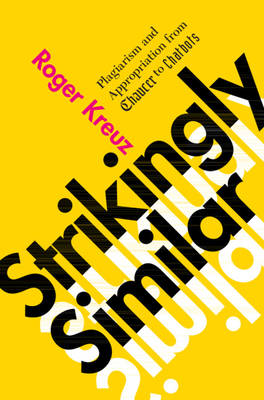
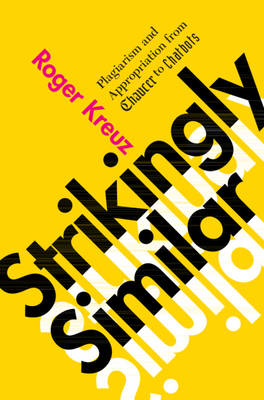
Strikingly Similar
Plagiarism and Appropriation from Chaucer to Chatbots
Roger Kreuz
Hardcover | Engels
€ 34,95
+ 69 punten
Omschrijving
Plagiarism and appropriation are hot topics when they appear in the news. A politician copies a section of a speech, a section of music sounds familiar, the plot of a novel follows the same pattern as an older story, a piece of scientific research is attributed to the wrong researcher... The list is endless. Allegations and convictions of such incidents can easily ruin a career and inspire gossip. People report worrying about unconsciously appropriating someone else's work. But why do people plagiarise? How many claims of unconscious plagiarism are truthful? How is plagiarism detected, and what are the outcomes for the perpetrators and victims? Strikingly Similar uncovers the deeper psychology behind this controversial human behavior, as well as a cultural history that is far wider and more interesting than sensationalised news stories.
Specificaties
Betrokkenen
- Auteur(s):
- Uitgeverij:
Inhoud
- Aantal bladzijden:
- 256
- Taal:
- Engels
Eigenschappen
- Productcode (EAN):
- 9781009618328
- Verschijningsdatum:
- 8/01/2026
- Uitvoering:
- Hardcover
- Formaat:
- Genaaid
- Afmetingen:
- 150 mm x 218 mm
- Gewicht:
- 498 g


Alleen bij Standaard Boekhandel
+ 69 punten op je klantenkaart van Standaard Boekhandel
SOLDEN


Beoordelingen
We publiceren alleen reviews die voldoen aan de voorwaarden voor reviews. Bekijk onze voorwaarden voor reviews.