


- Afhalen na 1 uur in een winkel met voorraad
- Gratis thuislevering in België vanaf € 30
- Ruim aanbod met 7 miljoen producten
- Afhalen na 1 uur in een winkel met voorraad
- Gratis thuislevering in België vanaf € 30
- Ruim aanbod met 7 miljoen producten





€ 62,95
+ 125 punten
Omschrijving
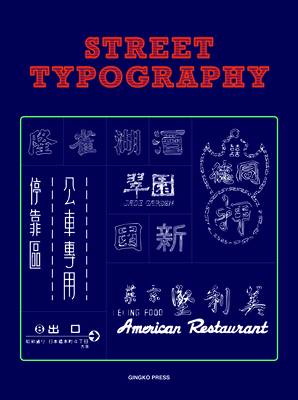
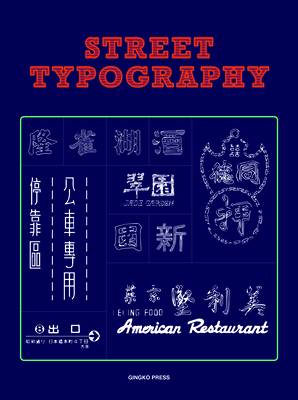
"The written word" typically brings to mind an active engagement with books, magazines, and journals, whether printed or digital. But those of us in towns and cities are constantly engagedwith another type of written word - the typography of streets, of the urban experience. Wherever there are businesses, apartment buildings, streets, or subway stations, there are names onsigns, and each sign represents dozens of design decisions: colors, fonts, sizes, and so on. Together, these decisions contribute volumes to the character of the cities and streets where they appear,reflecting, often on a subconscious layer, the local culture and social history, the commercial environment and the daily ecology. Street Typography examines this aspect of place through twoapproaches: academic articles written by scholars and an exposition of street typography by designers and artists from all over the world.
Specificaties
Betrokkenen
- Auteur(s):
- Uitgeverij:
Inhoud
- Aantal bladzijden:
- 240
- Taal:
- Engels
Eigenschappen
- Productcode (EAN):
- 9783943330236
- Verschijningsdatum:
- 1/06/2020
- Uitvoering:
- Hardcover
- Afmetingen:
- 210 mm x 285 mm


Alleen bij Standaard Boekhandel
+ 125 punten op je klantenkaart van Standaard Boekhandel
Cadeau

AANGERADEN


Beoordelingen
We publiceren alleen reviews die voldoen aan de voorwaarden voor reviews. Bekijk onze voorwaarden voor reviews.