


- Afhalen na 1 uur in een winkel met voorraad
- Gratis thuislevering in België vanaf € 30
- Ruim aanbod met 7 miljoen producten
- Afhalen na 1 uur in een winkel met voorraad
- Gratis thuislevering in België vanaf € 30
- Ruim aanbod met 7 miljoen producten





€ 143,10
+ 286 punten
Omschrijving
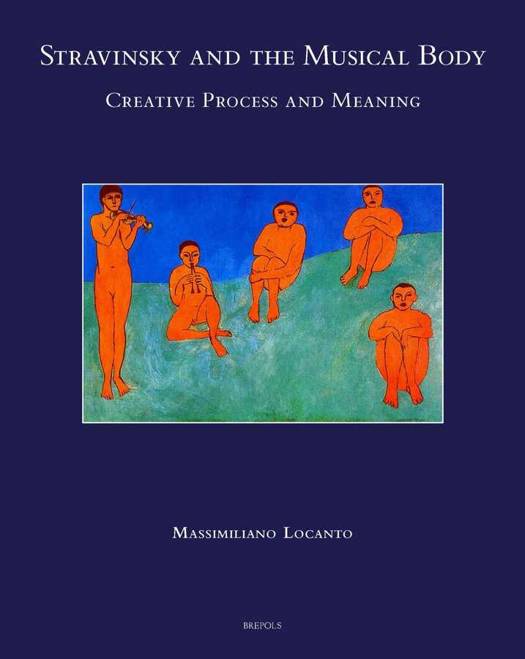
The idea that the body plays an essential role in music has stimulated a wide range of new approaches in recent musicology. This book tries to apply them to the music of Igor Stravinsky from the perspective of the creative process and the construction of meaning. Most of the works examined are compositions for theatre and dance, and the analyses address many other features of the spectacle, such as choreography, scenography, stage, and television direction. That said, many compositions not intended for the stage are also considered from the perspective of the 'embodied' creative process and their implicit bodily expressiveness. Each chapter focuses on a number of Stravinsky's most famous and significant works, from the Firebird to the late serial compositions. A special place is reserved for the latter, which undoubtedly constitute the least well-known part of Stravinsky's output. The chapters are accompanied by a large number of analyses that invite readers to go 'beyond' the musical text while still relying on it, allowing them to understand how the strong physicality clearly perceived in Stravinsky's music can be associated with some of its formal and structural characteristics. In so doing, the book encourages the reader to overcome overly rigid dichotomies such as formalist/contextualist, or historical/ analytical.
Specificaties
Betrokkenen
- Auteur(s):
- Uitgeverij:
Inhoud
- Aantal bladzijden:
- 398
- Taal:
- Engels
- Reeks:
- Reeksnummer:
- nr. 45
Eigenschappen
- Productcode (EAN):
- 9782503597782
- Verschijningsdatum:
- 24/03/2022
- Uitvoering:
- Hardcover
- Formaat:
- Genaaid
- Gewicht:
- 5479 g


Alleen bij Standaard Boekhandel
+ 286 punten op je klantenkaart van Standaard Boekhandel
Cadeau

AANGERADEN


Beoordelingen
We publiceren alleen reviews die voldoen aan de voorwaarden voor reviews. Bekijk onze voorwaarden voor reviews.