



- Afhalen na 1 uur in een winkel met voorraad
- In januari gratis thuislevering in België
- Ruim aanbod met 7 miljoen producten
- Afhalen na 1 uur in een winkel met voorraad
- In januari gratis thuislevering in België
- Ruim aanbod met 7 miljoen producten





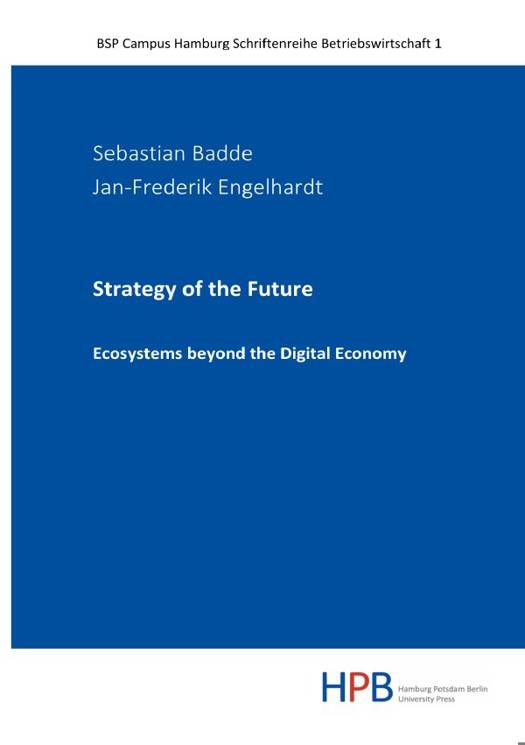
Strategy of the Future
Ecosystems beyond the Digital Economy
Sebastian Badde, Jan-Frederik Engelhardt
Paperback | Engels
€ 11,95
+ 23 punten
Omschrijving
Over the last decade, the terms "digital ecosystem" and "digital economy" have become ubiquitous in relation to strategy, both for the scientific community and business practice. This has mirrored an increasing concern among execu tives to steer their organizations in the rapidly changing business environment. Since traditional strategic concepts are of little value in keeping up with current speeds in the digital cosmos. This thesis offers a structuralist framework for developing a strategy of the future with digital ecosystems beyond the digital economy and its empirical laws. By using both deductive and inductive methods, based on secondary data, it presents a future-oriented corporate growth framework - entailing the assis-tance in deciding "where to play", "in which role to play" and "how to play". Thus, by means of a use case from LEGO Group, the implications of the new way of playing and thriving in this day and age are highlighted.
Specificaties
Betrokkenen
- Auteur(s):
- Uitgeverij:
Inhoud
- Aantal bladzijden:
- 92
- Taal:
- Engels
Eigenschappen
- Productcode (EAN):
- 9783752963984
- Uitvoering:
- Paperback
- Afmetingen:
- 148 mm x 210 mm
- Gewicht:
- 129 g


Alleen bij Standaard Boekhandel
+ 23 punten op je klantenkaart van Standaard Boekhandel
Cadeau

AANGERADEN


Beoordelingen
We publiceren alleen reviews die voldoen aan de voorwaarden voor reviews. Bekijk onze voorwaarden voor reviews.