


- Afhalen na 1 uur in een winkel met voorraad
- Gratis thuislevering in België vanaf € 30
- Ruim aanbod met 7 miljoen producten
- Afhalen na 1 uur in een winkel met voorraad
- Gratis thuislevering in België vanaf € 30
- Ruim aanbod met 7 miljoen producten





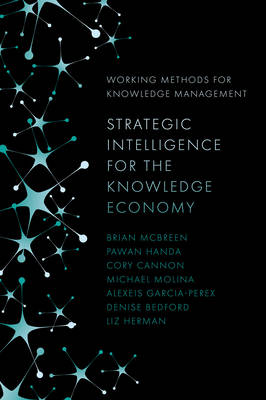
Strategic Intelligence for the Knowledge Economy
Brian McBreen, Pawan Handa, Cory Cannon, Michael Molina, Alexeis Garcia-Perez, Denise Bedford, Liz Herman
€ 185,45
+ 370 punten
Omschrijving
In 2025 the shift from an industrial to a knowledge economy is underway. The shift has introduced changes in our essential economic assumptions and models in how markets behave and the nature and sources of capital. The shift is affecting the way we do business and the ways we manage our organizations and operations. Over the past two hundred years, we have developed and perfected methods and tactics to help us analyze and cope with the economic environment. These established methods and tactics are no longer sufficient. The knowledge economy requires a new foundation of knowledge capital. To be strategic and intelligent the old analytical methods just adapt, and new methods are needed.
The latest volume of Working Methods for Knowledge Management speaks to doing intelligence in the dynamic, chaotic and continuously changing environment of the 21st century. It is predicated on the understanding that every intelligence situation or dilemma is unique. It is predicated on the rapidly evolving shift in management and the changing nature and structures of organizations. The authors consider the changing nature of markets, economic transactions, and competition in the knowledge economy. What can we learn from exploring the new economic environment to design a new approach to strategic intelligence?
The authors make a case for strategic intelligence grounded in knowledge capital assets and present a conceptual model and framework for managers and practitioners to consider in designing a new approach. The conceptual model considers eight critical factors when designing a new approach with the text providing in-depth explanation of these factors. By adapting the existing tools and developing new tools to transform this critical practice for the knowledge economy, strategic intelligence offers an indispensable guide for anyone working in the knowledge and business management spaces.
Specificaties
Betrokkenen
- Auteur(s):
- Uitgeverij:
Inhoud
- Aantal bladzijden:
- 360
- Taal:
- Engels
- Reeks:
Eigenschappen
- Productcode (EAN):
- 9781837538911
- Verschijningsdatum:
- 16/02/2026
- Uitvoering:
- Hardcover
- Formaat:
- Genaaid
- Afmetingen:
- 152 mm x 229 mm
- Gewicht:
- 648 g


Alleen bij Standaard Boekhandel
+ 370 punten op je klantenkaart van Standaard Boekhandel
Cadeau

AANGERADEN


Beoordelingen
We publiceren alleen reviews die voldoen aan de voorwaarden voor reviews. Bekijk onze voorwaarden voor reviews.