


- Afhalen na 1 uur in een winkel met voorraad
- Gratis thuislevering in België vanaf € 30
- Ruim aanbod met 7 miljoen producten
- Afhalen na 1 uur in een winkel met voorraad
- Gratis thuislevering in België vanaf € 30
- Ruim aanbod met 7 miljoen producten





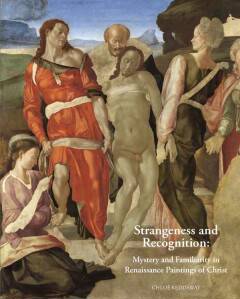
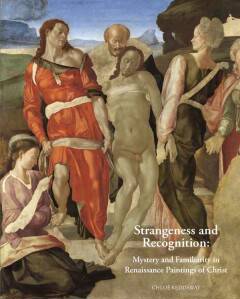
Strangeness and Recognition
Mystery and Familiarity in Renaissance Paintings of Christ
Chloe Reddaway
€ 116,60
+ 233 punten
Omschrijving
How do you paint a figure who is fully human and fully divine? How do you paint Christ? Strangeness and Recognition takes a fresh look at well-known Renaissance paintings of Christ and shows how surprising and deeply 'strange' they can be. This book brings an imaginative and affective theological perspective to the viewing experience as it explores the twin roles played by 'strangeness' and 'recognition' in responding to the challenge of creating and relating to images of Christ. By confounding expectations and defamiliarising subject matter, the ambiguity and mystery of these paintings disturbs viewers' expectations and reconnects them with the extraordinary mystery of the Incarnation. While neither words nor images can fully describe God, through a questioning, challenging dialogue with paintings, whose visual language disrupts itself, viewers can be brought to the limits of their own understanding and can enter into transformative and personlike relationships with paintings. These personal exchanges lead through estrangement to the rediscovery of the familiar within the strange and the renewed within the familiar, and to the ultimately unspeakable, unpaintable, mystery of the Incarnation. Drawing on a diverse range of theologians, philosophers, art historians and art theorists, and building on her own earlier work, Chloe Reddaway shows the theological potential of Christian images, even when they are far removed from their original contexts. A major contribution to the emerging field of visual theology, this book will appeal to scholars of theology and art history alike, as well as to the museum-going public.
Specificaties
Betrokkenen
- Auteur(s):
- Uitgeverij:
Inhoud
- Aantal bladzijden:
- 230
- Taal:
- Engels
- Reeks:
- Reeksnummer:
- nr. 4
Eigenschappen
- Productcode (EAN):
- 9782503581200
- Verschijningsdatum:
- 18/07/2019
- Uitvoering:
- Hardcover
- Formaat:
- Genaaid
- Afmetingen:
- 224 mm x 287 mm
- Gewicht:
- 1315 g


Alleen bij Standaard Boekhandel
+ 233 punten op je klantenkaart van Standaard Boekhandel
Cadeau

AANGERADEN


Beoordelingen
We publiceren alleen reviews die voldoen aan de voorwaarden voor reviews. Bekijk onze voorwaarden voor reviews.