



Bedankt voor het vertrouwen het afgelopen jaar! Om jou te bedanken bieden we GRATIS verzending (in België) aan op alles gedurende de hele maand januari.
- Afhalen na 1 uur in een winkel met voorraad
- In januari gratis thuislevering in België
- Ruim aanbod met 7 miljoen producten
Bedankt voor het vertrouwen het afgelopen jaar! Om jou te bedanken bieden we GRATIS verzending (in België) aan op alles gedurende de hele maand januari.
- Afhalen na 1 uur in een winkel met voorraad
- In januari gratis thuislevering in België
- Ruim aanbod met 7 miljoen producten





€ 10,05
+ 10 punten
Uitvoering
Omschrijving
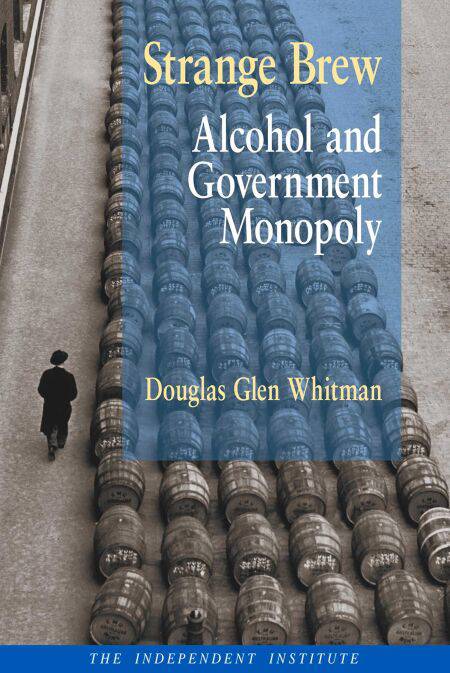
After Prohibition ended in 1933, many states passed laws regulating the sale of alcoholic beverages, now known as Franchise Termination Laws. Ostensibly intended to protect wholesalers from shady suppliers, and the public from the harmful effects of alcohol, these laws in fact created government-protected monopolies.
In Strange Brew, one of the first studies of this topic, economist Douglas Glen Whitman subjects these laws to critical scrutiny.
Strange Brew demonstrates that the “monopoly protection laws” in the alcoholic beverage industry reflect powerful special interests in the political process who use such measures to restrict markets, shield themselves from competition and consumer preferences, and set higher prices with relative impunity. It also shows how the notion that alcohol consumption is a “sin” in need of legal restraint substitutes the choices and moral judgment of politicians for that of consumers.
In Strange Brew, one of the first studies of this topic, economist Douglas Glen Whitman subjects these laws to critical scrutiny.
Strange Brew demonstrates that the “monopoly protection laws” in the alcoholic beverage industry reflect powerful special interests in the political process who use such measures to restrict markets, shield themselves from competition and consumer preferences, and set higher prices with relative impunity. It also shows how the notion that alcohol consumption is a “sin” in need of legal restraint substitutes the choices and moral judgment of politicians for that of consumers.
Specificaties
Betrokkenen
- Auteur(s):
- Uitgeverij:
Inhoud
- Aantal bladzijden:
- 58
- Taal:
- Engels
Eigenschappen
- Productcode (EAN):
- 9781598132625
- Verschijningsdatum:
- 30/04/2003
- Uitvoering:
- E-book
- Beveiligd met:
- Adobe DRM
- Formaat:
- ePub


Alleen bij Standaard Boekhandel
+ 10 punten op je klantenkaart van Standaard Boekhandel
SOLDEN


Beoordelingen
We publiceren alleen reviews die voldoen aan de voorwaarden voor reviews. Bekijk onze voorwaarden voor reviews.