


- Afhalen na 1 uur in een winkel met voorraad
- Gratis thuislevering in België vanaf € 30
- Ruim aanbod met 7 miljoen producten
- Afhalen na 1 uur in een winkel met voorraad
- Gratis thuislevering in België vanaf € 30
- Ruim aanbod met 7 miljoen producten





€ 67,95
+ 135 punten
Uitvoering
Omschrijving
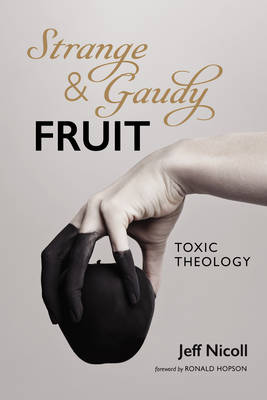
The history of Christianity includes many doctrines adopted (and actions taken) to meet immediate problems but which had unintended consequences; they are bad fruit (Matt 7:15-20). The oldest is antisemitism, which arose from the competition of the early church with early Judaism. It was built into the New Testament and was developed by the church fathers. Having learned to dehumanize, it was easy to apply the same techniques to other groups; the church became complicit with enslavement, misogyny, and other forms of oppression. One response to the bad fruit is to reject religion, in the manner of Christopher Hitchens. However, the dogmas are part of our culture even if in secular form. If the roots of marginalization are not understood, they cannot be eliminated. This work uses a range of critics and defenders of traditional Western Christianity to identify poisonous fruits and detoxify them. The critical voices do not create a consensus. Nevertheless, a core can be perceived, what Erasmus called the "few truths." Grounded in the religious tradition, they can be shared with secular people as a basis for an ethical, merciful, and respectful society. Although the history of Christianity is bloody, there are ways to go forward.
Specificaties
Betrokkenen
- Auteur(s):
- Uitgeverij:
Inhoud
- Aantal bladzijden:
- 474
- Taal:
- Engels
Eigenschappen
- Productcode (EAN):
- 9781666738773
- Verschijningsdatum:
- 9/05/2023
- Uitvoering:
- Paperback
- Formaat:
- Trade paperback (VS)
- Afmetingen:
- 178 mm x 254 mm
- Gewicht:
- 816 g


Alleen bij Standaard Boekhandel
+ 135 punten op je klantenkaart van Standaard Boekhandel
Cadeau

AANGERADEN


Beoordelingen
We publiceren alleen reviews die voldoen aan de voorwaarden voor reviews. Bekijk onze voorwaarden voor reviews.