



Bedankt voor het vertrouwen het afgelopen jaar! Om jou te bedanken bieden we GRATIS verzending (in België) aan op alles gedurende de hele maand januari.
- Afhalen na 1 uur in een winkel met voorraad
- In januari gratis thuislevering in België
- Ruim aanbod met 7 miljoen producten
Bedankt voor het vertrouwen het afgelopen jaar! Om jou te bedanken bieden we GRATIS verzending (in België) aan op alles gedurende de hele maand januari.
- Afhalen na 1 uur in een winkel met voorraad
- In januari gratis thuislevering in België
- Ruim aanbod met 7 miljoen producten





Omschrijving
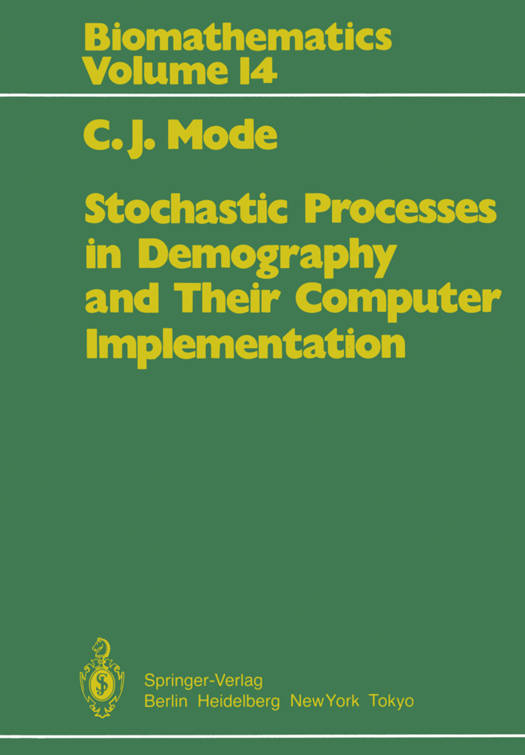
According to a recent report of the United States Census Bureau, world population as of June 30, 1983, was estimated at about 4. 7 billion people; of this total, an estimated 82 million had been added in the previous year. World population in 1950 was estimated at about 2. 5 billion; consequently, if 82 million poeple are added to the world population in each of the coming four years, population size will be double that of 1950. Another way of viewing the yearly increase in world population is to compare it to 234 million, the estimated current population of the United States. If the excess of births over deaths continues, a group of young people equivalent to the population of the United States will be added to the world population about every 2. 85 years. Although the rate of increase in world population has slowed since the midsixties, it seems likely that large numbers of infants will be added to the population each year for the foreseeable future. A large current world population together with a high likelihood of sub- stantial increments in size every year has prompted public and scholarly recognition of population as a practical problem. Tangible evidence in the public domain that population is being increasingly viewed as a problem is provided by the fact that many governments around the world either have or plan to implement policies regarding population. Evidence of scholarly concern is provided by an increasing flow of publications dealing with population.
Specificaties
Betrokkenen
- Auteur(s):
- Uitgeverij:
Inhoud
- Aantal bladzijden:
- 390
- Taal:
- Engels
- Reeks:
- Reeksnummer:
- nr. 14
Eigenschappen
- Productcode (EAN):
- 9783642823244
- Verschijningsdatum:
- 15/12/2011
- Uitvoering:
- Paperback
- Formaat:
- Trade paperback (VS)
- Afmetingen:
- 170 mm x 244 mm
- Gewicht:
- 653 g


Alleen bij Standaard Boekhandel
+ 220 punten op je klantenkaart van Standaard Boekhandel
SOLDEN


Beoordelingen
We publiceren alleen reviews die voldoen aan de voorwaarden voor reviews. Bekijk onze voorwaarden voor reviews.